An Introduction to Fiber Optic Cable: The Backbone of Modern Communication
Short summary: Fiber optic cable is the core technology enabling high-speed internet, 5G, and global data transfer. This guide explains its basic principles, structure, and why it has become the industry standard for performance and reliability in telecommunications.
What is a Fiber Optic Cable?
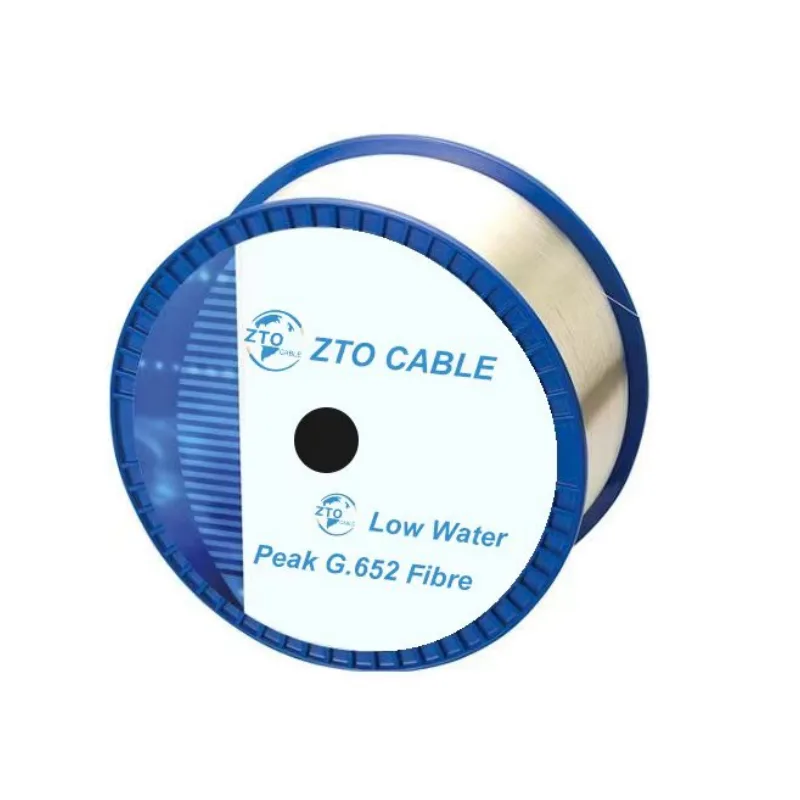
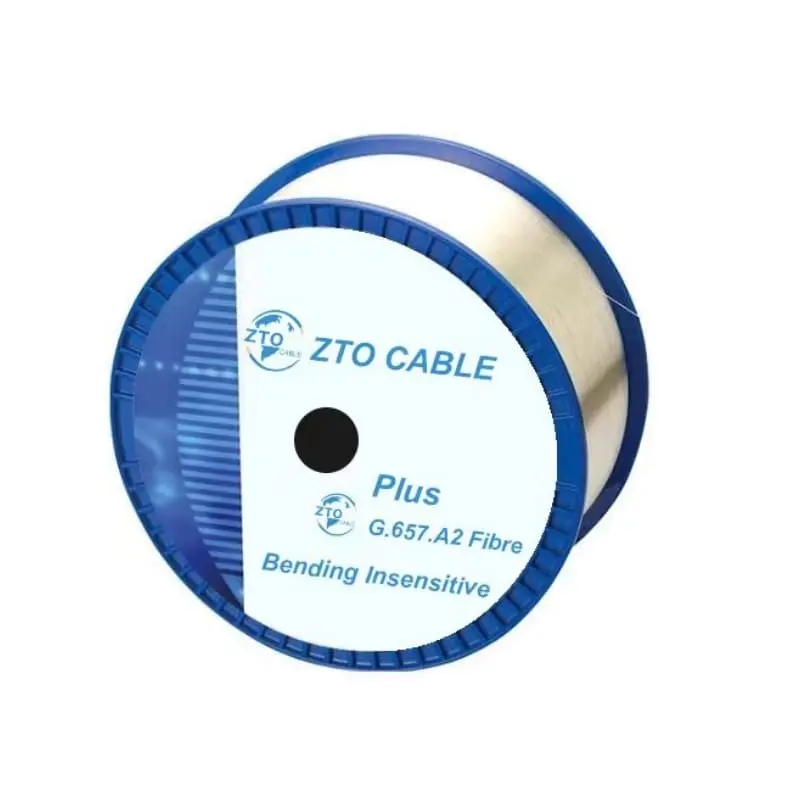
A fiber optic cable is a networking cable containing one or more transparent fibers, typically made of high-purity glass or plastic. These fibers, each slightly thicker than a human hair, are designed to transmit data over long distances as pulses of light. Unlike traditional copper cables that use electricity, fiber optics use light, which gives them significantly higher bandwidth, faster speeds, and immunity to environmental interference.
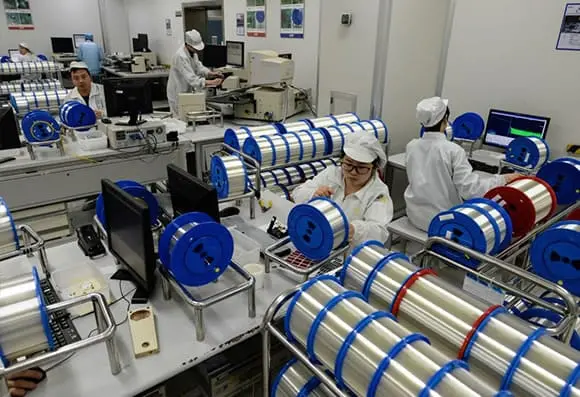
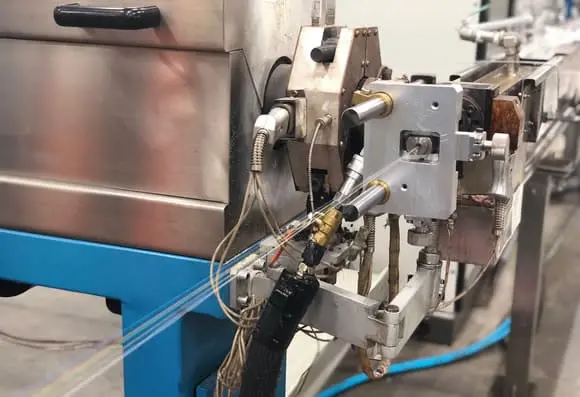
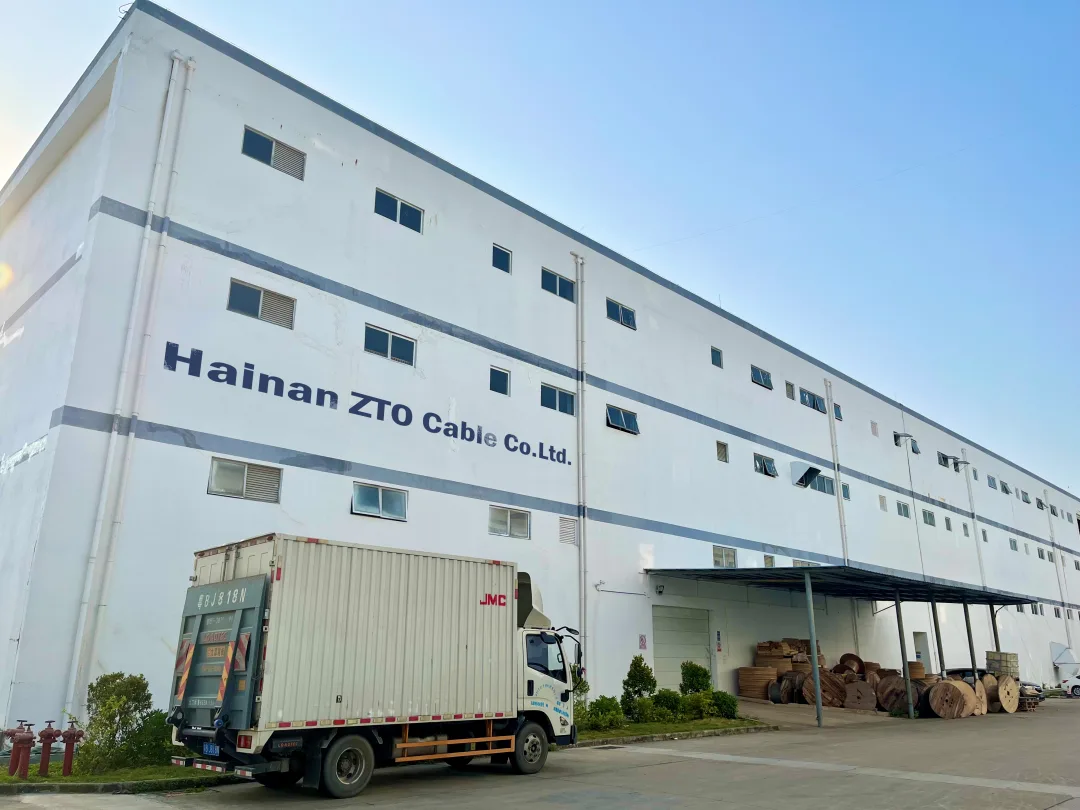
At ZTO Cable, we’ve spent over 20 years perfecting the manufacturing of these cables, ensuring every strand meets the highest quality standards for our 130+ export markets.
How Do Fiber Optics Work? The Principle of Light
The magic behind fiber optics is a principle called Total Internal Reflection. Here’s a simple breakdown:
- The Core: This is the central, ultra-pure glass strand where the light travels.
- The Cladding: A layer of glass that surrounds the core. It has a different refractive index, which causes it to act like a perfect mirror.
- The Process: A laser or LED transmits light pulses into the core. As the light travels, it hits the boundary between the core and cladding at a shallow angle and is continuously reflected inward, bouncing its way down the fiber with minimal signal loss.
This process allows data to travel at nearly the speed of light, ensuring that whether you’re building a national telecom backbone or an FTTH (Fiber to the Home) network, your signal remains strong and clear over many kilometers.
Engineered for Performance: The Anatomy of a Cable
A single optical fiber is fragile. To protect it in real-world applications, we bundle fibers into a robust cable structure. While designs vary based on use, a typical outdoor cable includes:
- Optical Fibers: The core data-carrying components.
- Coating: A primary buffer layer that protects each fiber from moisture and physical damage.
- Strength Members: Materials like aramid yarn or fiberglass rods that protect the cable from pulling tension during installation, crucial for our Aerial FO Cables.
- Loose Tube / Tight Buffer: Structures that house the fibers, protecting them from external pressure and temperature changes.
- Water-Blocking Tape/Gel: Prevents moisture from seeping into the cable, a vital feature for Direct Buried FO Cables.
- Outer Jacket (Sheath): The final layer made of durable materials like PE (Polyethylene) to withstand UV radiation, abrasion, and harsh weather conditions.
Core Advantages of Fiber Optic Technology
Businesses and network operators worldwide choose fiber for several key reasons:
- Massive Bandwidth: Fiber can carry significantly more data than copper cables of the same size. This is essential for supporting video streaming, cloud computing, and 5G services.
- Longer Distances: Optical signals experience less degradation (attenuation) than electrical signals, allowing them to travel much further without needing a booster.
- Immunity to Interference: Since fiber optic cables transmit light, they are completely immune to electromagnetic interference (EMI) and radio frequency interference (RFI). This makes them perfect for installation near power lines, which is why our OPGW Optical Ground Wire is a leading choice for utility companies.
- Enhanced Security: It is extremely difficult to tap into a fiber optic cable without being detected, as any attempt to do so would disrupt the light signal and be immediately noticeable.
- Durability and Lifespan: With a robust design, fiber cables have a lifespan of over 20 years and are more resistant to corrosion and environmental factors than copper.
ZTO Cable Solutions for Every Application
Understanding the fundamentals is the first step. The next is choosing the right cable for the job. As a manufacturer with a complete industrial chain, we offer specialized solutions for any deployment scenario:
- Aerial Deployments: Our ADSS aerial optical cables are designed to be self-supporting and withstand harsh outdoor conditions.
- Underground & Duct: For installation in existing conduits, our Duct FO Cables like GYTS provide excellent mechanical protection.
- Last-Mile Connectivity: Our FTTH Drop Cables are optimized for easy and cost-effective installation to connect end-users.
- Data Centers & Indoor Use: We provide a full range of Indoor FO Cables that are flexible, flame-retardant, and designed for high-density environments.
- Future-Proof Networks: Our innovative Air Blown Micro Cable solutions allow for scalable network growth with minimal initial investment.
Start Your Fiber Optic Project with an Expert
The transition to fiber optics is an investment in speed, reliability, and future growth. With over two decades of manufacturing experience and a portfolio of over 60 patents, ZTO Cable is more than a supplier—we are a partner dedicated to your project’s success.