What is OPGW Cable? A Complete Guide to Optical Ground Wire

Short summary: OPGW (Optical Ground Wire) is a revolutionary cable that combines the functions of a traditional ground wire for power lines with the high-capacity data transmission of a fiber optic cable. This guide explores its design, advantages, and applications in modern energy and telecom infrastructures.

The Dual-Purpose Innovation: What is OPGW?

OPGW, short for Optical Fiber Composite Overhead Ground Wire, is a specialized cable used in the construction of high-voltage electric power transmission lines. Its genius lies in its dual functionality: it serves as a conventional ground wire (or shield wire) to protect the high-voltage conductors from lightning strikes, while simultaneously housing optical fibers in its core to provide a high-speed data path.

This intelligent design eliminates the need to install a separate fiber optic cable, making it an incredibly efficient solution for utilities to build out their communication networks along existing power line routes. At ZTO Cable, we’ve engineered OPGW solutions that meet the stringent demands of power grids across the globe.

Anatomy of an OPGW Cable: Built for a Harsh Environment

An OPGW cable must withstand extreme mechanical stress, electrical faults, and harsh weather for decades. Its robust construction reflects these requirements. While designs vary, the core components typically include:

  • Optical Fiber Unit: At the heart of the cable, optical fibers are securely housed within a protective tube, usually made of stainless steel. This tube shields the delicate fibers from external pressure, moisture, and temperature fluctuations.
  • Metallic Armor Wires: Surrounding the central fiber unit are layers of high-strength metallic wires. These are typically a mix of:
    • Aluminum-Clad Steel (ACS) Wires: Provide the tensile strength needed to support the cable’s weight over long spans between towers and conduct fault currents.
    • Aluminum Alloy (AA) Wires: Offer excellent conductivity and corrosion resistance.

This composite structure ensures the OPGW cable performs reliably as both a mechanical ground wire and a long-term communications asset.

Common Structural Types of OPGW

Two primary designs dominate the OPGW market, each offering specific advantages:

  1. Central Loose Tube OPGW: In this design, the stainless steel tube containing the optical fibers is located at the center of the cable. The ACS and aluminum alloy wires are stranded around this central core. This structure is compact, highly durable, and provides excellent crush resistance for the fibers.
  2. Multi Loose Tube (Layer-Stranded) OPGW: For higher fiber counts, multiple fiber-containing tubes are stranded together around a central strength member. This core is then surrounded by the layers of ACS and AA wires. This design offers flexibility for deploying large numbers of fibers required for major communication backbones.

Choosing the right structure depends on the project’s specific requirements, including fiber count, electrical fault current ratings, and mechanical strength needs. Our experts at ZTO can help you select the optimal OPGW fiber optic cable design for your grid.

Why OPGW is the Preferred Choice for Utilities

The adoption of OPGW technology is driven by a clear set of advantages over other cabling methods:

  • Cost-Effectiveness: By integrating two functions into one cable, OPGW significantly reduces material and installation costs compared to installing a separate ground wire and an underground or aerial fiber cable.
  • Extreme Reliability: Installed at the highest point on transmission towers, OPGW is safe from accidental damage from excavation, vandalism, and other ground-level risks.
  • Immunity to Interference: As a fiber optic medium, its data transmission is completely immune to the powerful electromagnetic interference (EMI) generated by the high-voltage power lines it runs alongside.
  • Long-Term Durability: OPGW is designed to have a service life that matches or exceeds that of the power conductors, making it a sustainable, long-term investment.
  • High Bandwidth: It provides the vast data capacity needed for Smart Grid operations, substation automation, protective relaying, and leasing dark fiber to third-party telecom operators.

Key Applications

OPGW is a cornerstone technology for:

  • Smart Grid Networks: Providing the reliable, high-speed communication backbone required for real-time grid monitoring and control.
  • Telecommunication Infrastructure: Utilities can leverage their right-of-way to build extensive telecom networks for their own use or as a source of revenue.
  • Replacing Old Ground Wires: OPGW is ideal for retrofitting existing power lines, upgrading both the electrical shielding and adding communication capabilities in one operation.

For applications where a non-metallic solution is preferred, or on distribution lines where a ground wire is not present, ADSS (All-Dielectric Self-Supporting) cable is an excellent alternative for aerial fiber deployment.

Partner with ZTO Cable for Your Grid Modernization

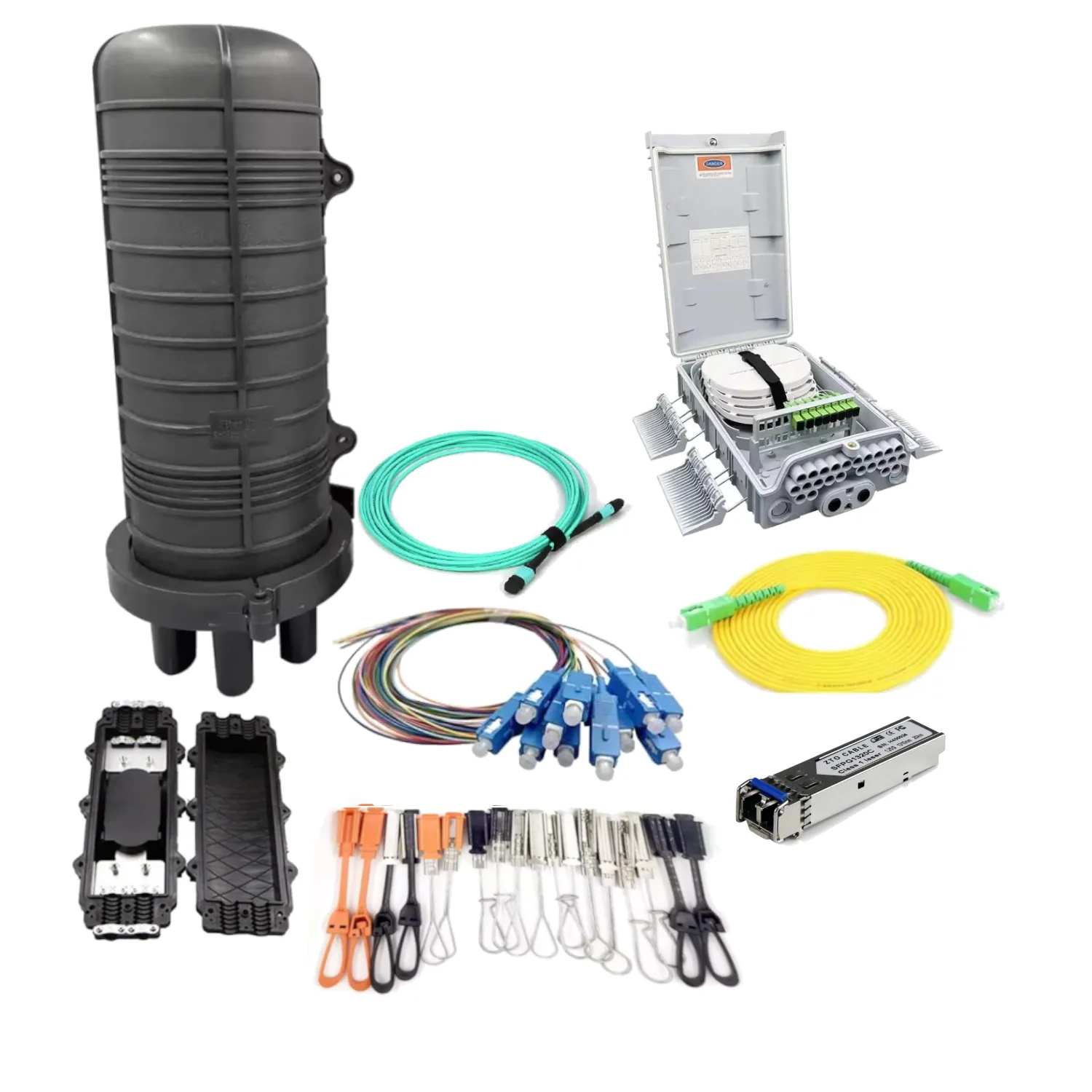
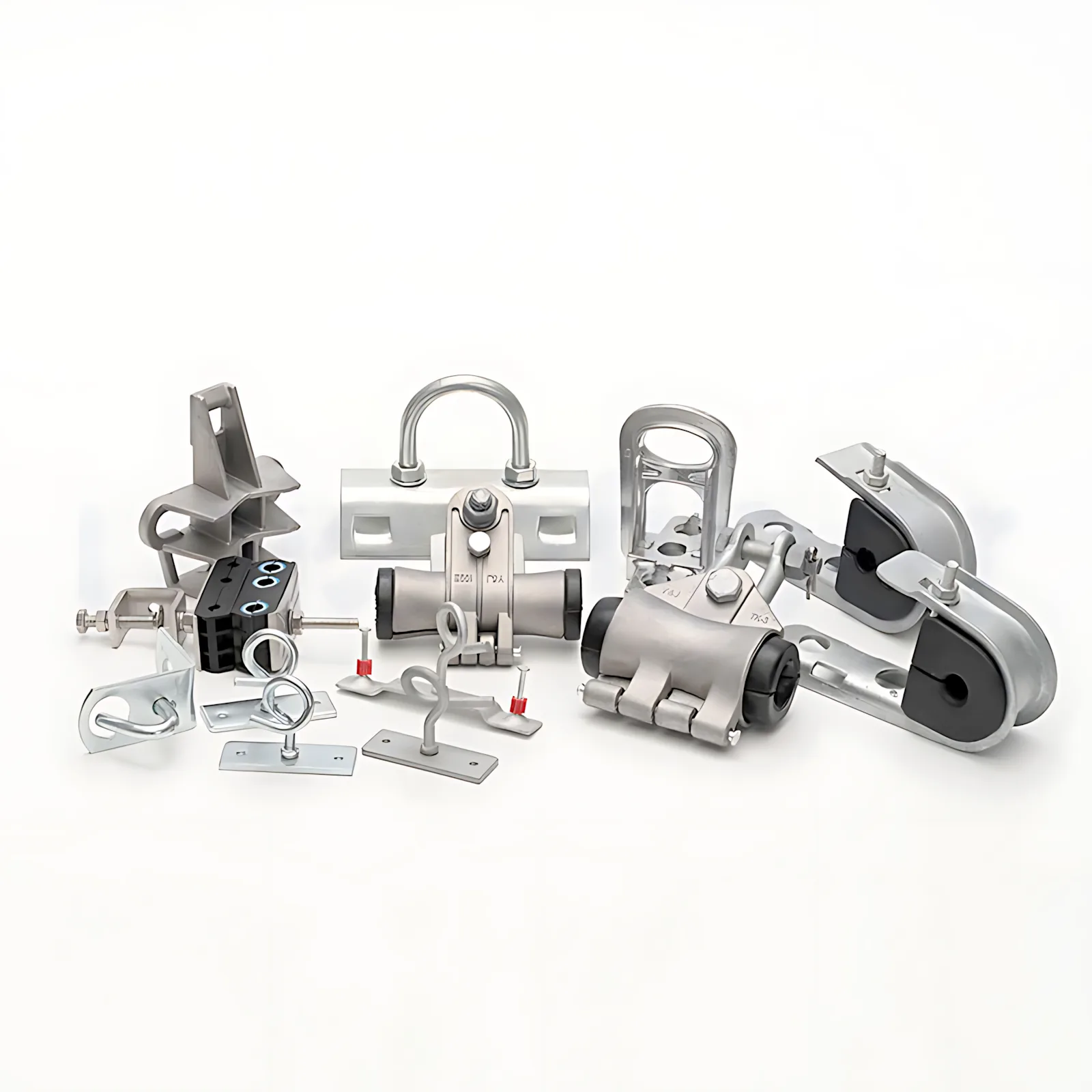
With over 20 years of experience in manufacturing high-performance optical cables, ZTO Cable delivers OPGW solutions that are trusted by clients in over 130 countries. Our products adhere strictly to IEC 60794 standards and are backed by a robust technical service team with immense installation and testing experience. We provide a complete solution, including the necessary hardware and accessories for ADSS/OPGW deployment.

Ready to enhance your power grid with reliable, high-speed communications? Contact our team to discuss your OPGW project requirements and receive a competitive, factory-direct proposal.

Similar Posts