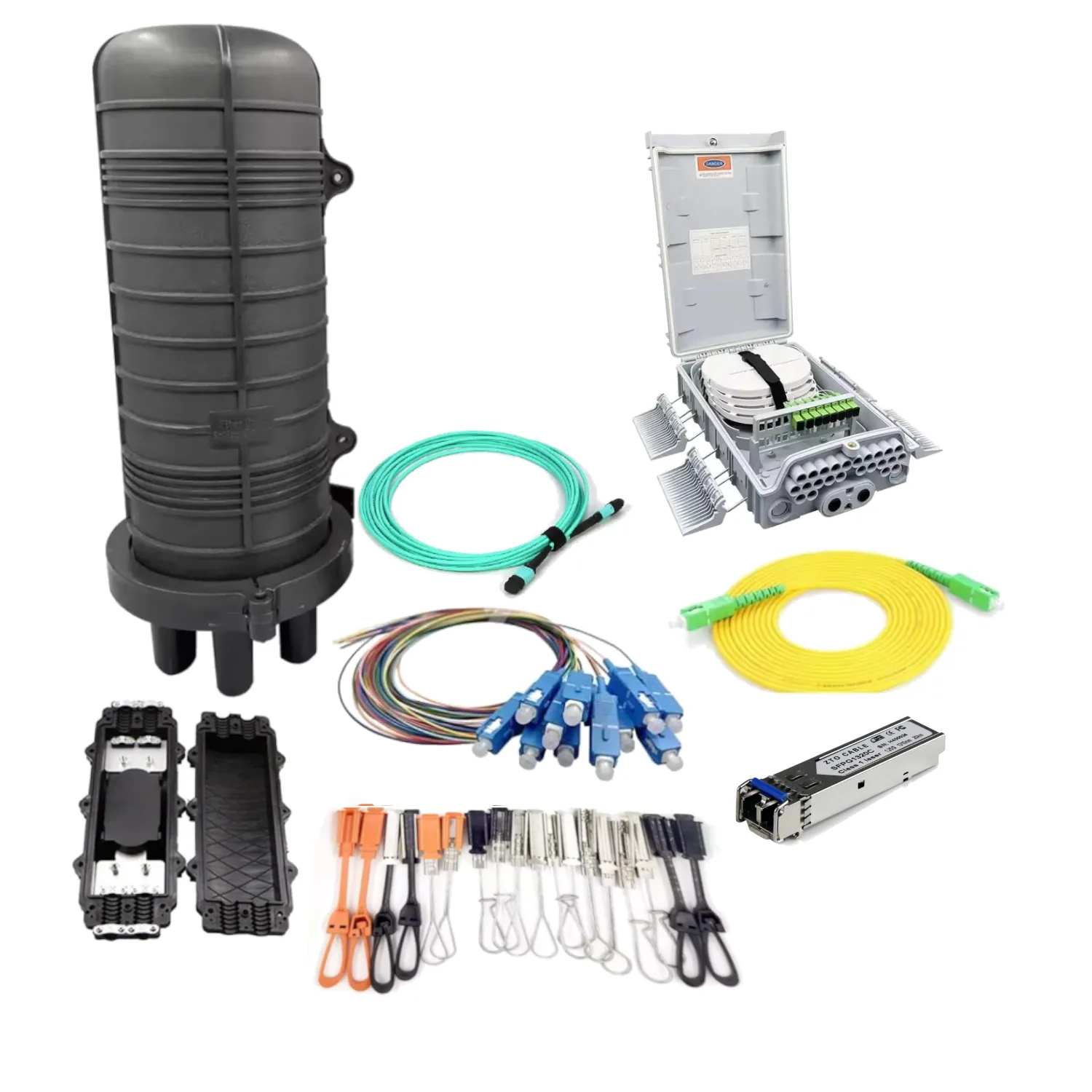
Global Installation Excellence: Best Practices for Fiber Optic Cable Deployment in International Projects

Short summary: Successful fiber optic cable installation in international projects demands more than technical skill—it requires adaptation to diverse environments, compliance with local regulations, and strategic planning. This comprehensive guide explores best practices for aerial, buried, and duct installations, highlighting how Hainan ZTO Cable Co., Ltd. supports global projects with expert guidance and high-quality cable solutions.

The Global Challenge: Why Installation Practices Matter for International Success

In today’s interconnected world, fiber optic projects span continents, from dense urban centers in Southeast Asia to remote rural areas in South America. Each environment presents unique challenges—varying climates, soil conditions, regulatory frameworks, and infrastructure standards. A successful international installation requires not only technical expertise but also cultural awareness, regulatory compliance, and adaptive planning.

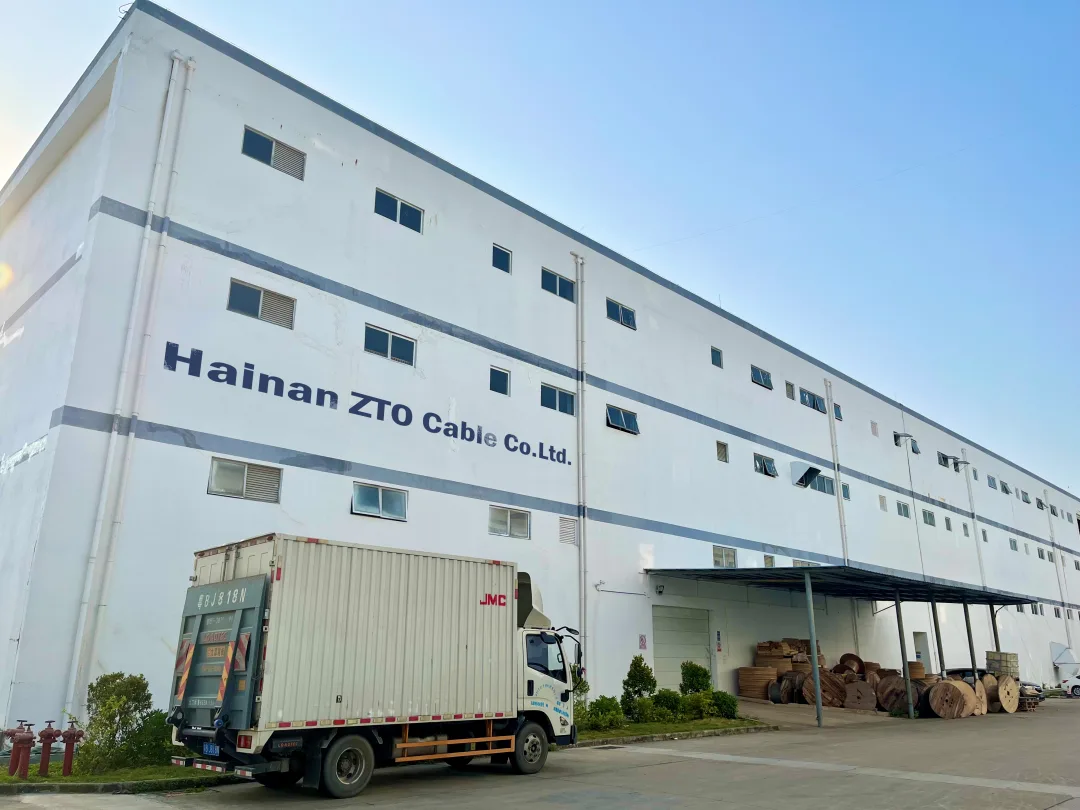
Hainan ZTO Cable Co., Ltd., with over 20 years of experience exporting to 130+ countries, understands these complexities. Our team has supported projects across diverse environments, providing not just high-quality cables but also valuable installation guidance tailored to local conditions.

Pre-Installation Planning: The Foundation of International Project Success

Before any cable touches the ground, thorough planning sets the stage for success. For international projects, this phase is particularly critical:

  • Comprehensive Site Surveys: Assess terrain, soil conditions, existing utilities, and environmental factors specific to each location. Consider seasonal variations in climate that may affect installation timing.
  • Regulatory Compliance Research: Investigate local building codes, right-of-way requirements, environmental regulations, and safety standards. Many countries have specific requirements for cable burial depths, aerial clearances, and environmental protection.
  • Cultural and Logistical Considerations: Understand local work practices, permit acquisition processes, and community engagement requirements. Plan for equipment availability, local labor skills, and supply chain logistics.
  • Risk Assessment: Identify potential hazards from natural disasters, political instability, or infrastructure limitations that could impact project timelines.

Our technical team at ZTO Cable provides consultation on cable selection and installation planning, drawing from experience in over 130 countries to help clients navigate these complexities.

Aerial Installation: Mastering Above-Ground Deployments

Aerial installation remains a cost-effective solution for many international projects, particularly in developing regions. Best practices include:

  • Proper Cable Selection: Choose appropriate aerial fiber optic cables like ADSS (All-Dielectric Self-Supporting) or ADSS Cable that can withstand environmental stresses without requiring separate messenger wires.
  • Span Length Optimization: Follow international guidelines for maximum span lengths between poles (typically 50-150 meters depending on cable type and environmental conditions).
  • Sag and Tension Control: Maintain proper sag to prevent excessive tension during temperature changes and wind loading. Use tension monitoring equipment and follow manufacturer specifications.
  • Clearance Requirements: Ensure adequate vertical clearance over roads, railways, and waterways according to local regulations (typically 5.5-7 meters over roads).
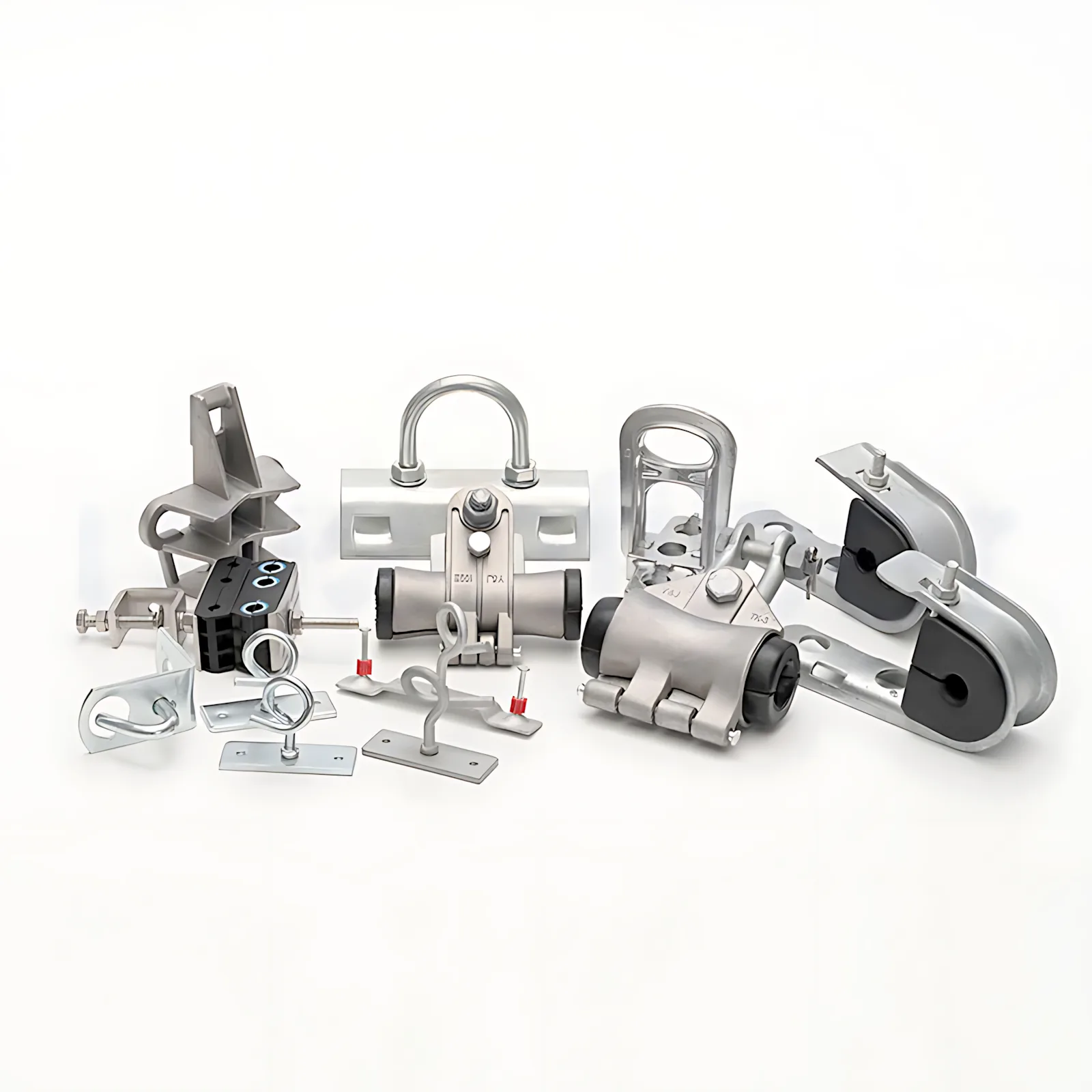
  • Support Hardware: Use appropriate suspension clamps, dead-ends, and vibration dampers to protect cables from mechanical stress and aeolian vibration.

For challenging environments, consider OPGW Cable for combined power and communication infrastructure.

Direct Buried Installation: Ensuring Underground Resilience

Buried installations provide protection and aesthetics but require careful execution. Key considerations include:

  • Depth Requirements: Follow local regulations for burial depth (typically 30-100 cm depending on soil type and traffic load). In colder climates, bury below frost line to prevent heaving.
  • Cable Protection: Use appropriate buried fiber optic cables with armored protection against rodents and mechanical damage. Consider additional protection with warning tape and concrete slabs in high-risk areas.
  • Soil Preparation: Ensure proper bedding material (typically sand or screened soil) to prevent sharp objects from damaging the cable. Maintain minimum bend radius during placement.
  • Backfilling Techniques: Use controlled backfilling to avoid cable damage. Compact soil in layers to prevent settling and future cable stress.
  • Marking and Documentation: Install permanent markers and maintain accurate as-built drawings for future maintenance and excavation safety.

For areas with rocky soil or high water tables, consider direct buried FO cables specifically designed for challenging underground conditions.

Duct Installation: The Urban Infrastructure Solution

Duct installations offer flexibility and protection in urban environments. Best practices include:

  • Duct System Design: Plan for adequate duct size, proper slope for drainage, and strategic placement of manholes and handholes for maintenance access.
  • Cable Selection: Choose duct fiber optic cables like GYTS or GYFTY with appropriate diameter and pulling strength for the installation method.
  • Pulling Techniques: Use proper lubricants, tension monitoring, and pulling eyes designed for fiber optic cables. Never exceed maximum pulling tension (typically 600N for standard cables).
  • Micro-Duct Systems: For future-proof installations, consider air blown micro cable systems that allow easy fiber upgrades without replacing ducts.
  • Sealing and Protection: Ensure proper sealing of duct ends to prevent water ingress and rodent entry. Use duct plugs and sealing compounds as needed.

Our product catalog includes a full range of duct cables suitable for international urban deployments.

Special Considerations for International Projects

International installations require additional attention to several critical factors:

  • Climate Adaptation: Select cables with appropriate temperature ratings and UV resistance for local climate conditions. Consider extreme temperatures, humidity, and solar radiation.
  • Local Workforce Training: Provide proper training for local installation teams on fiber handling, splicing techniques, and safety procedures.
  • Equipment and Tool Availability: Plan for equipment availability and consider backup options for critical tools that may not be readily available locally.
  • Documentation and Testing: Maintain comprehensive documentation including OTDR traces, attenuation measurements, and installation records in formats acceptable to local authorities.
  • Cultural Sensitivity: Respect local customs, work schedules, and community engagement requirements to ensure smooth project execution.

Quality Assurance and Testing: Ensuring International Standards Compliance

Regardless of location, quality assurance remains paramount. Essential testing includes:

  • Pre-Installation Testing: Verify cable integrity and optical performance before installation using OTDR and power meter testing.
  • Installation Monitoring: Continuously monitor pulling tension, bend radius, and environmental conditions during installation.
  • Post-Installation Testing: Conduct comprehensive end-to-end testing including insertion loss, return loss, and OTDR characterization.
  • Documentation Standards: Maintain testing records according to international standards (IEC 60794, ITU-T recommendations) and local regulatory requirements.

ZTO Cable provides comprehensive test reports with every shipment, giving international clients confidence in product quality before installation begins.

Why Partner with ZTO Cable for International Installation Projects?

Choosing the right cable supplier is crucial for international project success. Hainan ZTO Cable Co., Ltd. offers distinct advantages:

  • Global Experience: With exports to 130+ countries, we understand the diverse requirements of international installations across different regions and climates.
  • Technical Support: Our team of 80+ technical experts provides installation guidance, cable selection advice, and troubleshooting support for international projects.
  • Product Range: From FTTH drop cables to indoor cables and hybrid cables, we offer solutions for every installation scenario.
  • Quality Assurance: Adherence to IEC 60794 standards and our “quality-first” culture ensures reliable performance in demanding international environments.
  • Factory-Direct Advantage: Our integrated manufacturing and direct export model provides competitive pricing and responsive support for international clients.

Building Global Connectivity with Confidence

Successful fiber optic installations in international projects require careful planning, adaptive execution, and reliable products. By following best practices and partnering with experienced suppliers, project managers can overcome challenges and deliver robust, future-proof networks.

Hainan ZTO Cable Co., Ltd. stands ready to support your international projects with high-quality cables, expert guidance, and proven experience across diverse global environments.

Planning an international fiber optic project? Contact our international team today for expert consultation on cable selection and installation best practices tailored to your specific project requirements.

Similar Posts