Ensuring Long-Term Performance: Best Practices for Fiber Optic Cable Maintenance and Lifecycle Management
Short summary: Proper maintenance is essential for maximizing the 30+ year lifespan of fiber optic cables in international deployments. This comprehensive guide explores preventive maintenance strategies, testing protocols, and lifecycle management practices that ensure optimal network performance and protect your infrastructure investment across diverse global environments.
The Critical Importance of Fiber Optic Cable Maintenance in International Projects
Fiber optic cables represent significant infrastructure investments, particularly in international projects spanning multiple countries and challenging environments. While high-quality cables like those from Hainan ZTO Cable Co., Ltd. are engineered for 30+ years of service, proper maintenance is essential to achieve this lifespan and maintain optimal performance. In international deployments, maintenance challenges multiply due to varying climates, regulatory requirements, and local technical capabilities.
With over 20 years of experience exporting to 130+ countries, ZTO Cable understands that successful international projects require not just reliable installation but also sustainable maintenance strategies. Our cables are designed for durability, but proactive maintenance ensures they deliver their full potential across diverse global environments.
Understanding Fiber Optic Cable Lifecycle: From Installation to End-of-Life
Effective maintenance begins with understanding the complete cable lifecycle. For international projects, this perspective is particularly important:
- Installation Phase (Years 0-1): Initial testing, documentation, and baseline performance measurements establish the foundation for future maintenance.
- Operational Phase (Years 1-20): Regular preventive maintenance, performance monitoring, and minor repairs maintain optimal performance.
- Maturity Phase (Years 20-30+): Enhanced monitoring, strategic upgrades, and preparation for eventual replacement or augmentation.
- End-of-Life Considerations: Planning for replacement, environmental disposal considerations, and migration strategies to new technologies.
ZTO Cable’s technical team provides lifecycle guidance based on our experience with cables operating in diverse international environments for decades.
Preventive Maintenance: The Foundation of Cable Longevity
Preventive maintenance is far more cost-effective than reactive repairs, especially in remote international locations. Key preventive strategies include:
- Regular Visual Inspections: Schedule quarterly inspections for aerial cables like ADSS Cable and aerial fiber optic cables, checking for physical damage, sag variations, and hardware integrity.
- Environmental Protection Checks: Monitor for UV degradation, rodent damage, water ingress, and corrosion in harsh climates. Our cables feature UV-resistant sheaths and protective designs for challenging environments.
- Infrastructure Support Verification: For aerial installations, regularly inspect poles, towers, and support hardware for stability and proper tension.
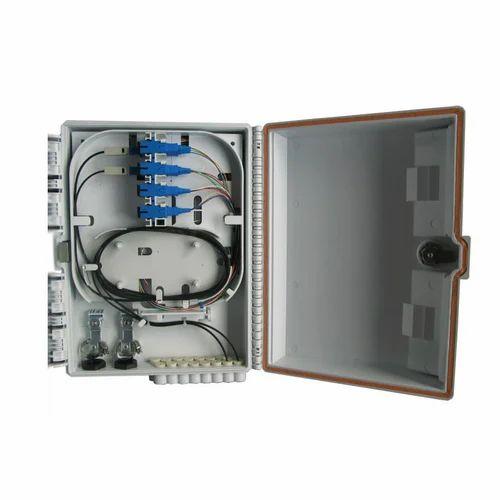
- Access Point Maintenance: Ensure splice closures, termination points, and distribution boxes remain sealed and protected from environmental elements.
- Documentation Updates: Maintain accurate as-built drawings, test records, and maintenance logs for future reference and troubleshooting.
For buried installations, consider buried fiber optic cables with enhanced protection against underground hazards.
Performance Testing and Monitoring: Ensuring Signal Integrity
Regular testing is essential for detecting performance degradation before it affects network operations. Essential testing protocols include:
- Optical Time Domain Reflectometer (OTDR) Testing: Conduct annual OTDR tests to identify attenuation changes, splice degradation, and potential fault locations.
- Insertion Loss Measurements: Perform bi-annual insertion loss tests to monitor overall system performance and identify gradual degradation.
- Return Loss Testing: Monitor connector and splice quality through regular return loss measurements.
- Environmental Monitoring: For critical international links, implement continuous monitoring of temperature, humidity, and mechanical stress where applicable.
- Comparative Analysis: Compare current test results with baseline measurements to identify trends and predict maintenance needs.
ZTO Cable provides comprehensive initial test reports with every shipment, establishing reliable baselines for future maintenance comparisons.
Cleaning and Connector Maintenance: Preserving Signal Quality
Contamination is a leading cause of fiber optic performance issues. Proper cleaning practices are essential:
- Connector Cleaning Protocols: Use appropriate cleaning tools (lint-free wipes, connector cleaners, inspection scopes) before every connection or reconnection.
- Inspection Procedures: Visually inspect all connectors with fiber inspection microscopes to detect contamination, scratches, or damage.
- Cleaning Frequency Guidelines: Establish cleaning schedules based on environmental conditions—more frequent cleaning in dusty or humid environments common in many international locations.
- Proper Storage Practices: Use protective caps on all unused connectors and store cables in clean, dry environments.
- Training Requirements: Ensure local maintenance teams are properly trained in cleaning techniques and contamination prevention.
Our ODN FTTH accessories include high-quality connectors designed for reliable performance with proper maintenance.
Repair and Restoration Strategies for International Networks
Despite preventive measures, repairs are sometimes necessary. Effective repair strategies for international projects include:
- Spare Parts Inventory Management: Maintain strategic inventories of critical spare cables, connectors, and hardware at key international locations.
- Emergency Response Planning: Develop and document emergency repair procedures tailored to local conditions and available resources.
- Splicing Best Practices: Follow proper fusion splicing procedures with appropriate cleaving, alignment, and protection techniques.
- Documentation of Repairs: Thoroughly document all repairs, including before/after test results, materials used, and environmental conditions.
- Quality Assurance Verification: Conduct comprehensive testing after repairs to ensure performance meets or exceeds original specifications.
ZTO Cable supports international clients with technical guidance on repair procedures and can expedite replacement cable shipments when needed.
International Considerations: Adapting Maintenance to Local Conditions
Maintenance strategies must adapt to local conditions in international deployments:
- Climate Adaptation: Adjust maintenance schedules and procedures for extreme temperatures, humidity, UV exposure, and seasonal variations.
- Regulatory Compliance: Ensure maintenance practices comply with local safety regulations, environmental requirements, and industry standards.
- Local Workforce Development: Invest in training local technicians on proper maintenance techniques and safety procedures.
- Supply Chain Planning: Account for potential delays in obtaining replacement parts or specialized equipment in remote international locations.
- Cultural and Logistical Factors: Consider local work practices, permit requirements, and community relations in maintenance planning.
Our experience in 130+ countries provides valuable insights into adapting maintenance strategies to diverse international conditions.
Documentation and Asset Management: The Backbone of Effective Maintenance
Comprehensive documentation is essential for efficient maintenance, especially in international projects with multiple stakeholders:
- As-Built Documentation: Maintain accurate records of cable routes, splice locations, test results, and installation details.
- Maintenance Logs: Document all inspections, tests, repairs, and modifications with dates, personnel, and results.
- Performance History: Track performance metrics over time to identify trends and predict maintenance needs.
- Asset Management Systems: Implement systems to track cable assets, maintenance schedules, and lifecycle status.
- Digital Documentation: Utilize digital tools for efficient documentation management and remote access by international teams.
ZTO Cable provides detailed product documentation and technical specifications to support effective asset management.
Why ZTO Cable Supports Superior Maintenance Outcomes
Choosing the right cable manufacturer significantly impacts maintenance requirements and long-term performance. Hainan ZTO Cable Co., Ltd. offers distinct advantages for maintenance-friendly deployments:
- Durable Construction: Our cables feature robust designs with UV-resistant sheaths, moisture barriers, and mechanical protection that reduce maintenance needs.
- Consistent Quality: Adherence to IEC 60794 standards and our “quality-first” manufacturing ensures reliable performance that simplifies maintenance.
- Technical Documentation: Comprehensive test reports, specifications, and installation guidelines provide essential information for effective maintenance planning.
- Global Experience: With exports to 130+ countries, we understand the maintenance challenges of diverse international environments.
- Technical Support: Our team of 80+ technical experts provides maintenance guidance and troubleshooting support for international clients.
- Product Range: From FTTH drop cables to OPGW cables and indoor cables, we offer solutions designed for maintainability.
Building Sustainable Networks Through Proactive Maintenance
Effective fiber optic cable maintenance is not an expense but an investment in network reliability, performance, and longevity. By implementing comprehensive maintenance strategies and partnering with quality-focused manufacturers, international project managers can protect their infrastructure investments and ensure decades of reliable service.
Hainan ZTO Cable Co., Ltd. is committed to supporting our international clients with durable cable solutions and maintenance guidance that maximizes the value of their fiber optic investments across diverse global environments.