MPO vs. Standard Fiber Patch Cords: A Technical Comparison for Network Infrastructure
Introduction: The Critical Role of Connectivity in Modern Networks
In the architecture of any high-performance network, the physical layer is the bedrock upon which all data transmission rests. While active equipment often takes the spotlight, the passive components—specifically, the fiber optic patch cords that form the vital links—are equally critical. As network speeds escalate and port densities increase, the choice of connector and cabling strategy has profound implications for performance, scalability, and total cost of ownership. Two dominant approaches to connectivity are standard single-fiber patch cords (using connectors like LC and SC) and high-density Multi-fiber Push-On (MPO) solutions.
This article provides a technical comparison for network engineers, data center managers, and procurement specialists. It moves beyond a surface-level description to analyze the engineering trade-offs, application suitability, and long-term strategic value of each technology, helping you make an informed decision for your infrastructure.
Understanding Standard Single-Fiber Patch Cords
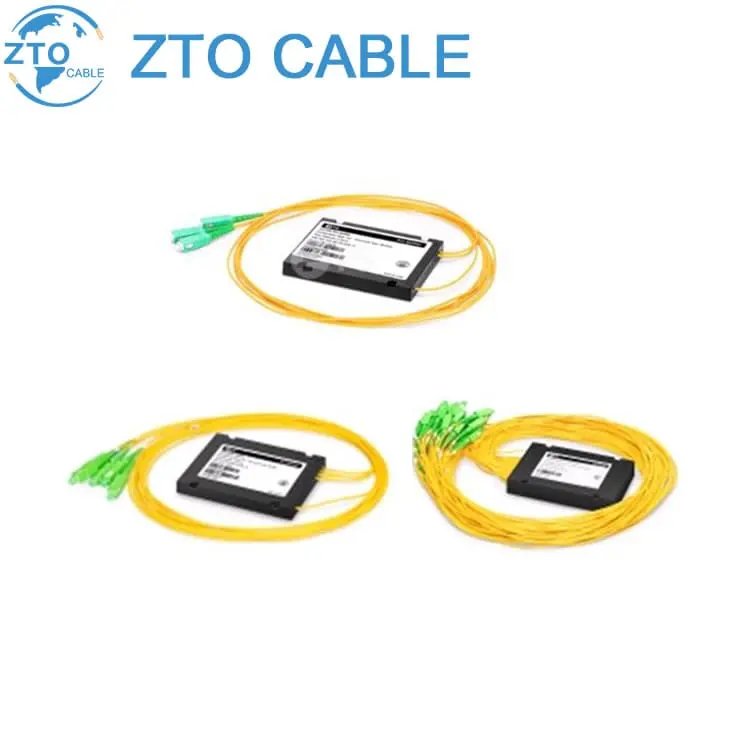
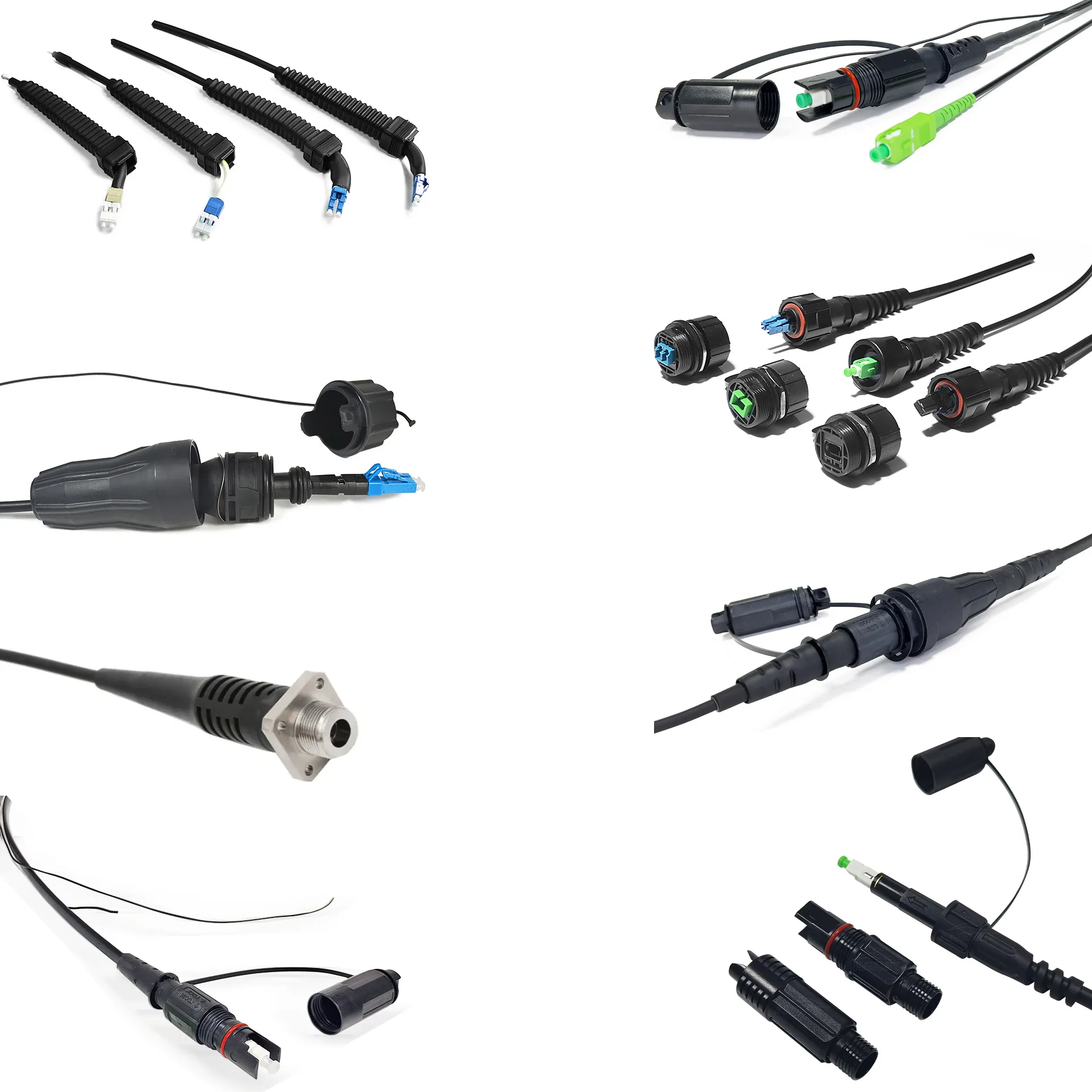
Standard fiber optic patch cords, often called single-fiber or duplex patch cords, are the conventional workhorses of optical networking. They establish a one-to-one connection, with a single fiber (simplex) or a pair of fibers (duplex for transmit/receive) terminated by a connector at each end.
Key Characteristics and Common Connector Types:
- LC (Lucent Connector): A small form-factor connector highly popular in data centers and enterprise LANs for its high density and reliable performance.
- SC (Subscriber Connector): A push-pull connector known for its excellent performance and durability, widely used in telecom applications, including FTTx networks.
- ST (Straight Tip): A bayonet-style connector that was once popular in legacy LANs and industrial environments.
Primary Applications and Strengths:
Standard patch cords excel in scenarios where simplicity, flexibility, and individual port access are paramount.
- Equipment-to-Patch Panel Interconnects: They are ideal for connecting individual switch, server, or storage ports to a structured cabling system via a Patch Panel.
- Desktop and Work Area Connections: In enterprise environments, they provide the final link from a wall outlet to a user’s device or computer.
- FTTH (Fiber to the Home): SC connectors are a de facto standard in FTTH deployments, connecting the Optical Network Terminal (ONT) at the subscriber’s premises.
The primary advantages are their lower initial cost per cord, ease of troubleshooting (a single port corresponds to a single link), and widespread familiarity among technicians.
Limitations:
The main drawback of standard patch cords becomes apparent at scale. In a high-density environment, managing hundreds or thousands of individual duplex cords can lead to significant cable congestion, increased risk of human error during moves, adds, and changes (MACs), and restricted airflow, impacting cooling efficiency.
The Advent of MPO for High-Density Networking
MPO (Multi-fiber Push-On) technology was developed specifically to address the limitations of single-fiber connectors in bandwidth-hungry and space-constrained environments. An MPO connector consolidates multiple optical fibers (typically 8, 12, or 24) into a single, compact ferrule, dramatically increasing connection density.
Enabling High-Speed Parallel Optics:
MPO is the designated interface for parallel optics standards like 40GBASE-SR4, 100GBASE-SR4, and 400GBASE-SR8. These standards use multiple fibers simultaneously to transmit data. For example, 40GBASE-SR4 uses 8 fibers within a 12-fiber MPO connector (4 for transmitting, 4 for receiving), making high-speed data transmission over multimode fiber possible.
Core Applications and Strengths:
- Data Center Backbones: MPO trunk cables are the standard for high-density structured cabling between rows of racks and in switch-to-switch interconnects.
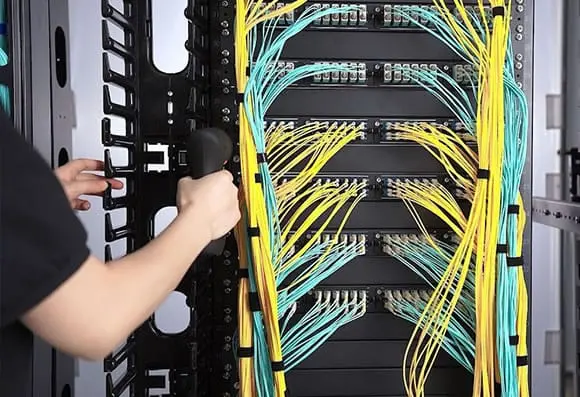
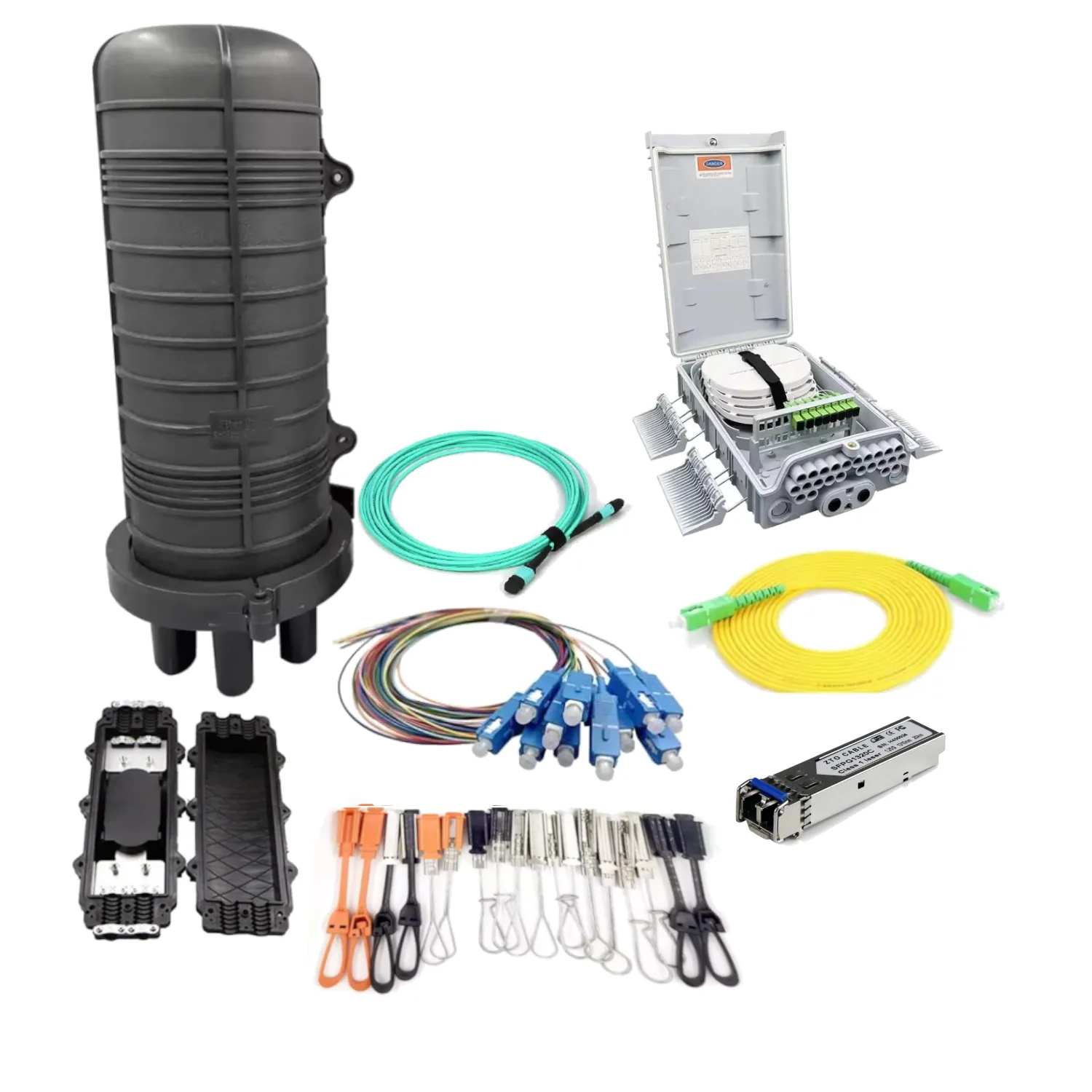
- Pre-terminated Cassettes: MPO trunks connect to MPO-to-LC cassettes within patch panels. These cassettes break out the multiple fibers into individual duplex LC ports, combining the rapid deployment of MPO with the granular port access of LC. ZTO offers a full suite of high-performance indoor fiber optic cables and MPO/MTP assemblies for these exact applications.
- Rapid Deployment: Using pre-terminated MPO trunk cables, technicians can deploy dozens of links in the time it would take to run a few duplex cords, significantly reducing installation labor and project timelines.
Technical Comparison: MPO vs. Standard Connectors
The choice between these technologies depends on a careful evaluation of technical and operational requirements. The following table provides a direct comparison.
| Attribute | Standard Patch Cords (LC/SC) | MPO Patch Cords |
|---|---|---|
| Fiber Count per Connector | 1 (simplex) or 2 (duplex) | 8, 12, 16, 24, 32 (up to 72+) |
| Primary Application | Patching individual ports, FTTH, general-purpose interconnects. | High-density data center backbones, parallel optics (40G+), pre-terminated solutions. |
| Space & Density | Low density; can lead to significant cable congestion at scale. | Extremely high density; dramatically reduces pathway and rack space usage. |
| Installation Speed | Slower; connections are made one or two fibers at a time. | Very fast; one connection can establish up to 24+ links simultaneously. |
| Scalability for Future Growth | Limited. Migrating from 10G to 40/100G requires pulling new cabling. | Excellent. An MPO backbone can be repurposed for higher speeds by changing cassettes or equipment. |
| Total Cost of Ownership (TCO) | Low initial component cost, but higher labor and potential operational costs at scale. | Higher initial component cost, but lower TCO in dense environments due to reduced labor and space costs. |
| Technical Considerations | Simple polarity management (A-to-B). Easy to clean and inspect. | Requires careful management of polarity (Method A, B, or C) and gender (male/female). Specialized cleaning tools are needed. |
Conclusion: A Strategy, Not Just a Component Choice
The decision between MPO and standard patch cords is not a matter of which is universally “better,” but which is strategically right for the application. For large-scale data centers, cloud providers, and any organization planning for data rates of 40G and beyond, an MPO-based structured cabling strategy provides unparalleled density, scalability, and long-term value.
For enterprise-level patching, smaller deployments, and last-mile connectivity like FTTH, the simplicity and cost-effectiveness of standard LC and SC connectors remain the logical choice. Often, the most effective network designs utilize a hybrid approach: MPO for high-density backbones and standard connectors for lower-density distribution and patching.
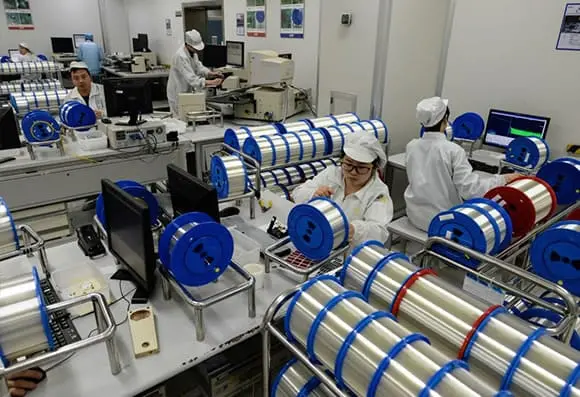
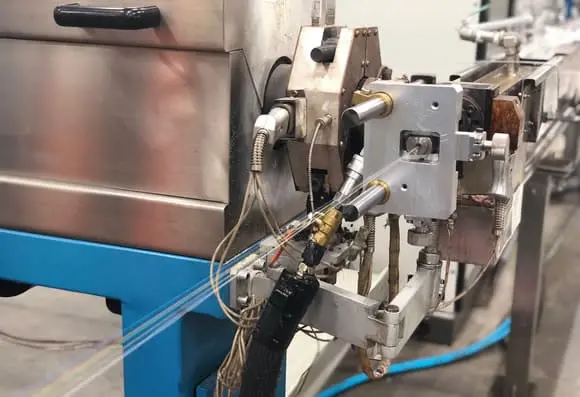
As a vertically integrated manufacturer with over 20 years of experience, ZTO Cable produces the full spectrum of connectivity solutions, from raw optical fiber to complete MPO/MTP and pre-terminated patch cord assemblies. Our expertise ensures that every component, whether a simple duplex cord or a complex multi-fiber trunk, meets stringent IEC standards for performance and reliability.
To further explore our ODN/FTTH accessories or to discuss a tailored cabling solution for your project, please contact our technical support team. We are prepared to help you build a network foundation that is robust, scalable, and ready for the future.