Technical Deep Dive: Comparing Fiber Optic and Copper LAN Cabling

Technical Deep Dive: Comparing Fiber Optic and Copper LAN Cabling

In the architecture of modern digital infrastructure, both fiber optic and copper-based LAN cables serve as foundational pillars. While they both achieve the same goal—transmitting data—they do so using fundamentally different technologies, each with a distinct profile of performance, cost, and application suitability. For engineers, network architects, and procurement managers, understanding the nuanced differences between these two is critical for designing robust, scalable, and cost-effective network solutions.

This technical comparison moves beyond surface-level observations to explore the core distinctions in transmission medium, performance metrics, and real-world use cases. The decision is rarely a simple one of “which is better,” but rather a strategic choice based on specific project requirements, environmental factors, and long-term objectives.

Understanding the Core Technologies

The performance characteristics of a cable are dictated by its physical composition and method of data transmission.

Fiber Optic Cabling: Transmission via Light

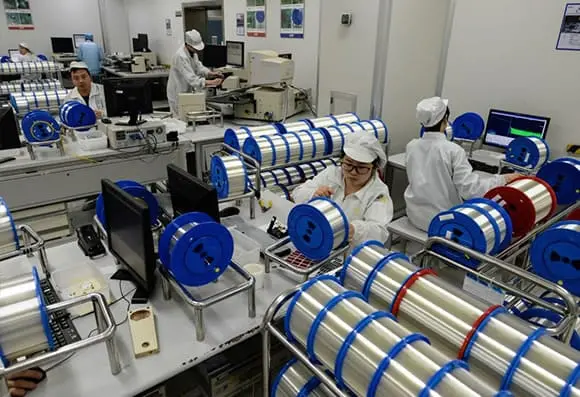
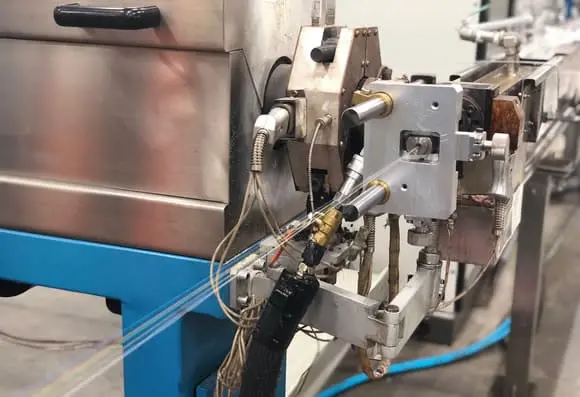
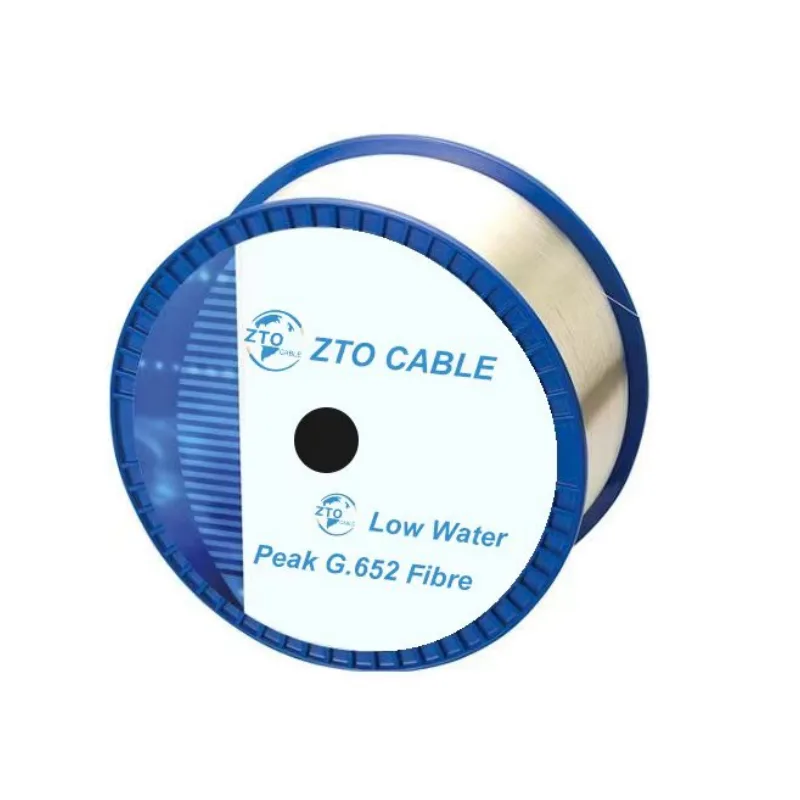
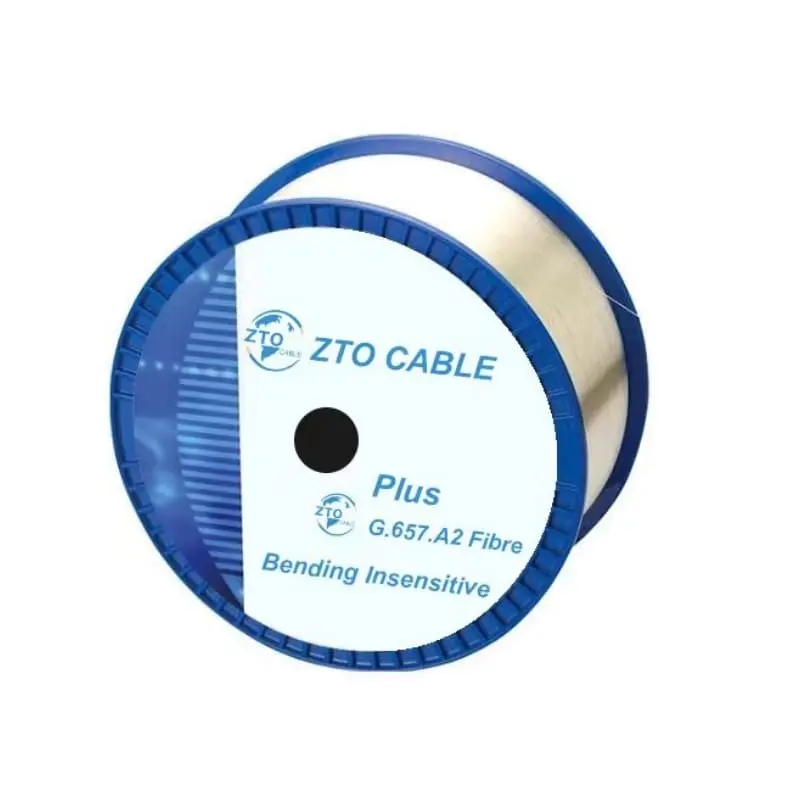
A fiber optic cable is a marvel of material science. It transmits data as pulses of light through incredibly thin strands of high-purity glass or plastic. This core is surrounded by a layer of material called cladding, which has a different refractive index. This difference forces the light signals to bounce and reflect internally (total internal reflection), allowing them to travel over vast distances with minimal energy loss.

Key components include:

  • Core & Cladding: The data-carrying glass fiber and its reflective sheath.
  • Buffer Coating: A protective plastic layer surrounding the delicate fiber.
  • Strength Members: Aramid yarn or fiberglass rovings that absorb tensile stress during pulling and installation, protecting the core.
  • Outer Jacket: A durable outer sheath made from materials like PE or LSZH to protect against moisture, abrasion, and environmental factors.

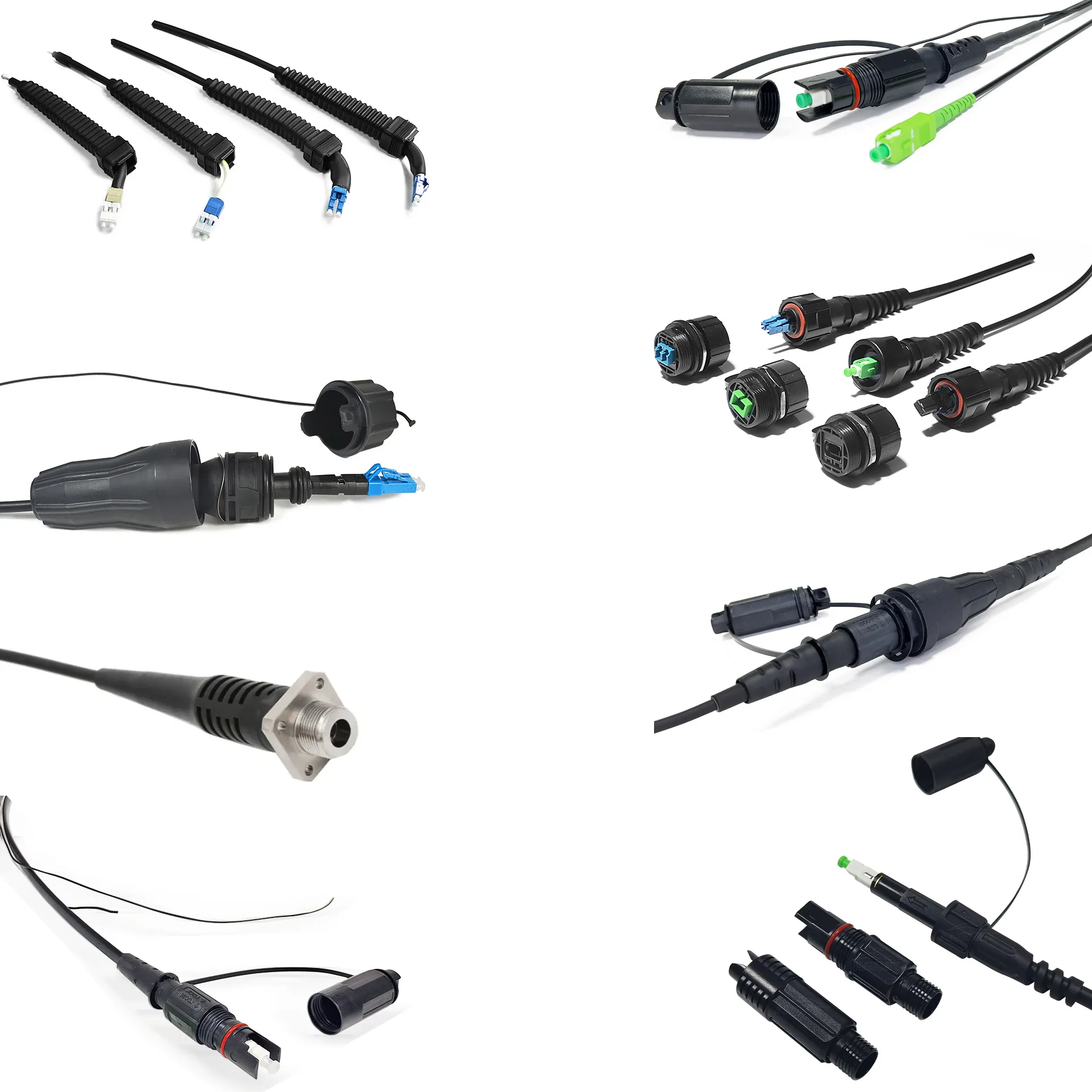
This technology is the foundation for a wide range of products, from rugged ADSS (All-Dielectric Self-Supporting) cables used in aerial deployments to high-density solutions for indoor data centers.

Copper LAN Cabling: Transmission via Electrical Signals

Copper LAN cables, most commonly Ethernet cables, transmit data using electrical signals over twisted pairs of copper wires. The “twisted pair” design is a critical feature: by twisting two wires together, it cancels out electromagnetic interference (EMI) from external sources and reduces crosstalk between adjacent pairs within the same cable.

These cables are classified into categories (e.g., Cat5e, Cat6, Cat6a) that define their performance capabilities, particularly bandwidth and data rate. They terminate with the ubiquitous RJ-45 connector, making them a plug-and-play solution for most end-user devices.

Direct Comparison: Key Performance Metrics

A side-by-side analysis reveals the clear advantages and limitations of each technology. The choice for a specific application becomes much clearer when these metrics are weighed against project goals.

MetricFiber Optic CableCopper LAN Cable
Transmission MediumPulses of light through glass or plastic strands.Electrical signals through copper wires.
Bandwidth & SpeedExtremely high (10 Gbps, 100 Gbps, and into Tbps).Good (1 Gbps to 10 Gbps, with higher categories pushing limits).
Transmission DistanceVery long; can span many kilometers without a repeater.Short; standard is a 100-meter (328-foot) limitation.
EMI ImmunityCompletely immune to electromagnetic and radio frequency interference.Susceptible to EMI, requiring shielding (STP/FTP) in noisy environments.
SecurityInherently secure; very difficult to tap without being detected.Can be tapped electromagnetically with relative ease.
Size & WeightSignificantly smaller diameter and lighter weight for the same capacity.Bulkier and heavier, consuming more space in conduits and trays.
DurabilityGlass core is fragile, but modern cable designs are extremely robust. Immune to corrosion.Copper is robust but can stretch. Susceptible to oxidation and corrosion.

Application-Specific Use Cases & Product Selection

The optimal choice depends entirely on the application environment and performance requirements.

When to Choose Fiber Optic Cabling

Fiber excels where distance, speed, and reliability are non-negotiable.

  • Backbone and Long-Haul Networks: For interconnecting buildings across a campus, cities, or even continents, fiber is the only viable option. Its ability to carry massive amounts of data over kilometers without signal degradation is unmatched. Solutions like Duct FO Cable and Direct Buried FO Cable are specifically engineered for these infrastructure deployments.
  • High-Interference Environments: In industrial facilities, power substations, or along railway lines, ambient electrical noise can cripple copper-based communications. Fiber’s immunity to EMI makes it the ideal choice. For instance, OPGW (Optical Ground Wire) is integrated directly into high-voltage transmission lines, providing reliable communication in the harshest electrical environments.
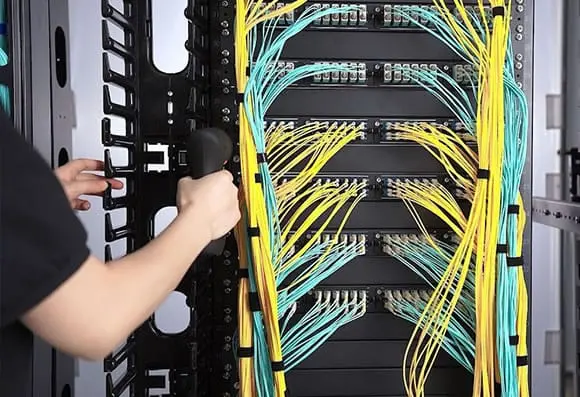
  • Data Centers: The demand for high-speed, low-latency connections between servers, storage area networks (SANs), and switches makes fiber essential. High-count Indoor FO Cable solutions allow for massive bandwidth density in limited space.
  • Future-Proofing: As data demands continue to grow exponentially, installing a fiber optic backbone provides scalability that copper cannot match, preventing costly re-cabling projects in the future.

When Copper LAN Cabling Remains Practical

Despite fiber’s superiority in performance, copper maintains a strong foothold in specific areas.

  • Horizontal and End-Point Connections: For the “last mile” connection to desktop computers, printers, and office IP phones, the 100-meter range and 1 Gbps speed of Cat5e/Cat6 is more than sufficient and highly cost-effective.
  • Power over Ethernet (PoE) Applications: Copper’s ability to carry both data and low-voltage power over a single cable is a major advantage for deploying devices like wireless access points, IP security cameras, and VoIP phones where running a separate power line is impractical.
  • Budget-Constrained, Small-Scale Networks: For small offices or home networks, the lower upfront cost of copper cables, connectors, and tools makes it an accessible and practical choice.

Beyond Performance: Total Cost of Ownership (TCO)

A simple comparison of per-meter cable cost is misleading. A TCO analysis provides a more accurate picture.

  • Initial Investment: Copper cabling and its associated hardware (patch panels, switches) are generally less expensive upfront. Fiber installation, particularly termination and splicing, requires specialized tools and skilled technicians, increasing initial labor costs.
  • Maintenance & Reliability: Fiber’s immunity to EMI and corrosion can lead to a more stable network with lower troubleshooting and maintenance costs over its lifespan.
  • Scalability & Upgrade Path: A fiber optic network’s bandwidth can often be upgraded simply by changing the electronics at either end, without replacing the cable itself. A copper network that needs to move from 1 Gbps to 10 Gbps may require a complete replacement of the cable plant. This gives fiber a significant long-term TCO advantage.

Conclusion: Partnering for the Right Solution

The debate between fiber and copper is not about a winner and a loser. It’s about selecting the right tool for the job. Fiber optics represent the clear path forward for high-speed, long-distance, and mission-critical communications, offering unparalleled performance and scalability. Copper remains a pragmatic and cost-effective workhorse for endpoint connections and PoE applications.

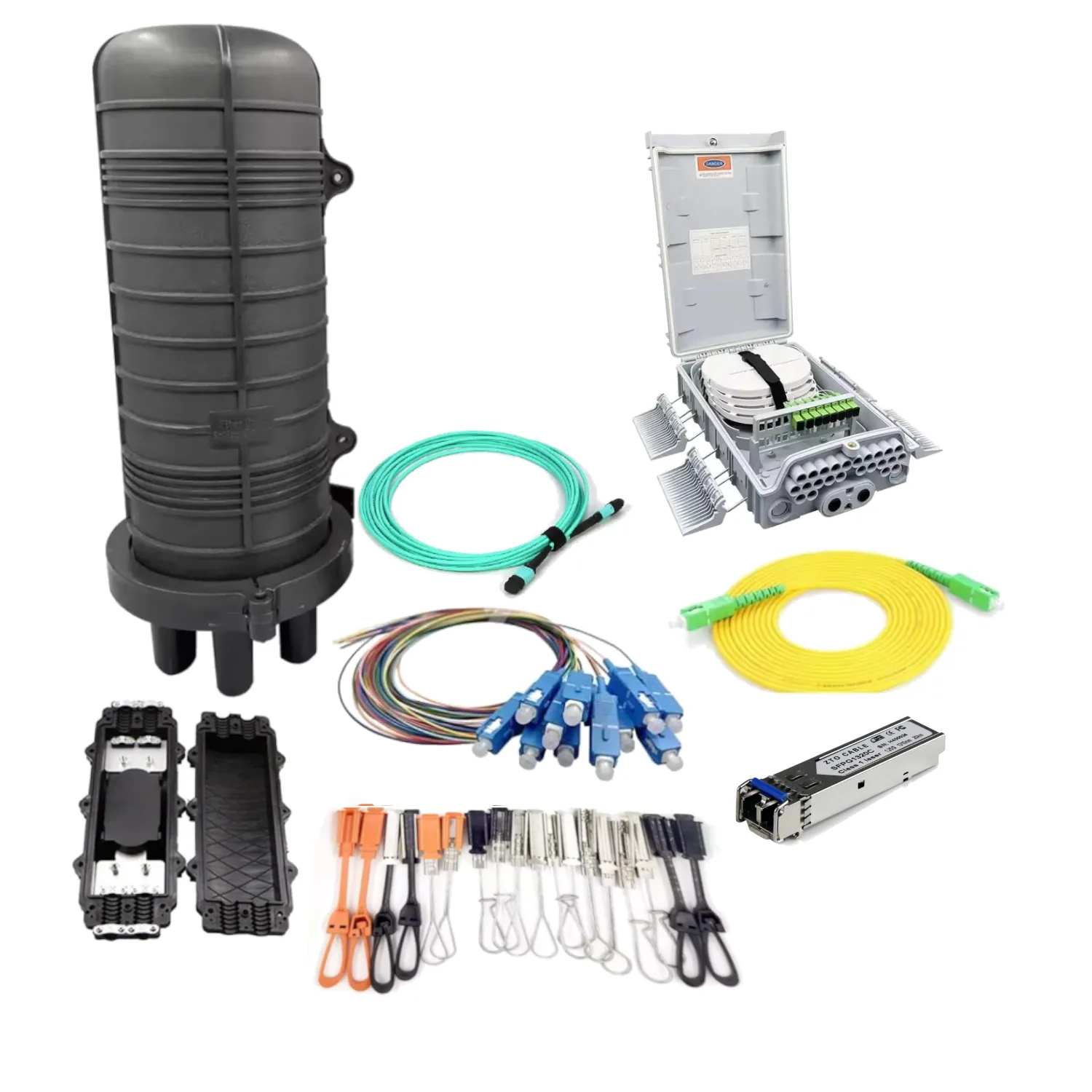
For complex infrastructure projects where reliability and long-term value are paramount, partnering with an experienced manufacturer is key. An expert can guide you through the selection of appropriate cable constructions, from flexible FTTH Drop Cable for last-mile residential connections to robust armored cables for direct burial. A comprehensive product portfolio ensures a solution that is not only technically compliant but also optimized for your specific operational environment and budget.

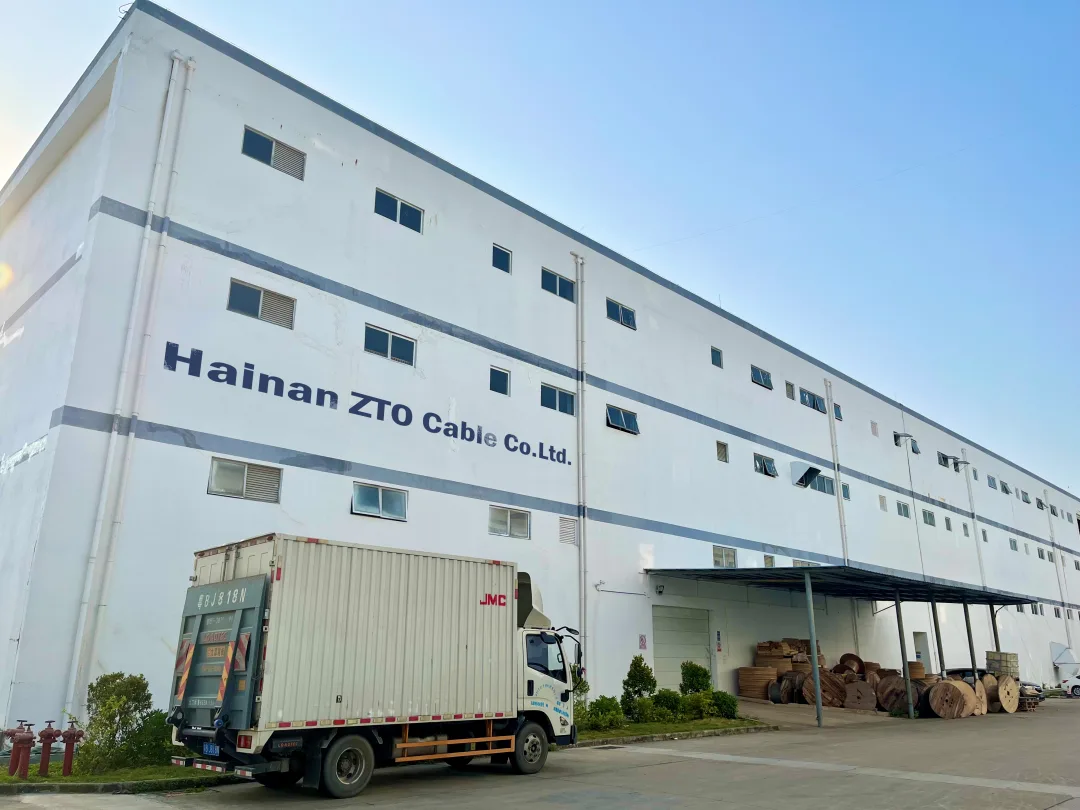
To discuss the technical requirements of your next network infrastructure project, contact the ZTO Cable technical team for an in-depth consultation and solution tailored to your needs.

Similar Posts