Selecting the Right Fiber Optic Cable for Your Network Application
Choosing the correct fiber optic cable is a critical engineering decision that directly impacts network performance, long-term reliability, and total cost of ownership. While all fiber optic cables are designed around a core of glass fiber, the construction, materials, and design vary dramatically based on the intended application. Selecting a cable that is ill-suited for its environment can lead to premature failure, costly maintenance, and network downtime. This article explores the key types of fiber optic cables and the crucial factors to consider when specifying a solution for your infrastructure project.
Understanding Cable Construction by Installation Environment
The most fundamental way to categorize fiber optic cables is by their installation environment. Each environment presents a unique set of challenges, from mechanical stress and moisture ingress to UV radiation and fire safety requirements. As a leading fiber optic cable manufacturer, we produce specialized cables for every major application.
1. Aerial Fiber Optic Cable
Aerial cables are installed on poles and must withstand significant environmental stresses. The primary challenges are tensile loading from wind and ice, UV radiation from sunlight, and temperature fluctuations. There are two main types:
- All-Dielectric Self-Supporting (ADSS) Cable: ADSS cables are strong enough to support themselves between structures without using conductive metal elements. They are an ideal choice for installation along power distribution routes, as their dielectric nature avoids electrical conductivity concerns. The use of aramid yarn as a strength member provides exceptional tensile strength.
- Figure-8 Cable: This cable type integrates a steel messenger wire into the jacket, creating a cross-section that resembles the number eight. The messenger provides support, while the separate lower section contains the optical fibers. They are a cost-effective solution for many aerial spans.
- Optical Ground Wire (OPGW): A specialized cable used by utility companies, OPGW Fiber Optic Cable serves a dual purpose. It replaces a traditional ground wire on high-voltage transmission towers while also housing optical fibers for communication and data monitoring.
2. Direct Buried Fiber Optic Cable
For networks requiring the highest level of physical protection, direct burial is a common method. These cables must be engineered to resist crushing forces from soil and rocks, prevent moisture ingress, and withstand potential damage from rodents. Consequently, robust armoring is standard.
- Armoring: Buried Fiber Optic Cable typically features single or double layers of corrugated steel tape or heavy-gauge steel wires. This armor provides excellent crush resistance and acts as a barrier against gnawing animals.
- Jacketing: A thick, durable outer jacket, usually made of High-Density Polyethylene (HDPE), is essential to protect the cable’s internal components from soil acidity and moisture for decades.
3. Duct and Microduct Fiber Optic Cable
Installing cables in pre-existing underground ducts or conduits is a popular method, especially in urban areas. This approach simplifies future upgrades and maintenance.
- Duct FO Cable: These cables are designed to be pulled or blown through ducts. While they don’t require the heavy armoring of direct-buried cables, they need good tensile strength to withstand installation forces and a low-friction jacket to facilitate long pulling distances. Products like Stranded Loose Tube (GYTS, GYFTY) cables are common for this purpose.
- Air Blown FO Cable: A modern evolution, air-blown micro cables are extremely compact and designed to be jetted through small-diameter microducts using compressed air. This “pay-as-you-grow” approach allows network operators to install ducting infrastructure once and then blow in fiber capacity as needed, providing excellent scalability for data centers and FTTx networks.
4. FTTH and Indoor Fiber Optic Cable
The “last mile” of the network, which brings a connection from the curb to and inside the building, requires cables that are flexible, compact, and adhere to indoor fire safety codes.
- FTTH Drop Cable: Characterized by its flat or figure-8 profile, the FTTH drop fiber optic cable is designed for easy and rapid deployment to individual homes or businesses. They contain a small number of fibers (typically 1, 2, or 4) and are designed to be durable enough for outdoor runs while being flexible enough for indoor routing.
- Indoor FO Cable: For use within buildings, these cables prioritize flexibility and flame resistance. They often feature tight-buffered fibers for easier handling and termination. Jackets are typically made from Low Smoke Zero Halogen (LSZH) materials, which do not emit toxic fumes in a fire, making them suitable for deployment in risers, plenums, and data centers.
Key Technical & Material Specifications
Beyond the installation environment, engineers must evaluate several key technical specifications to ensure the cable meets network requirements.
| Cable Type | Primary Application | Key Features | Strength Member |
|---|---|---|---|
| Aerial (ADSS) | Self-supporting aerial spans | All-dielectric, high tensile strength, UV-resistant jacket | Aramid Yarn / FRP |
| Direct Buried | Underground without conduit | Steel tape/wire armor, crush resistant, waterproof | Steel Wire / Central Strength Member |
| Duct | Installation in underground conduits | Low-friction jacket, good tensile strength for pulling | FRP / Steel Wire |
| Air Blown Micro Cable | High-density access networks, Data Centers | Extremely compact, lightweight, scalable deployment | Aramid Yarn / Glass Yarn |
| FTTH Drop Cable | Final connection to premises (indoor/outdoor) | Small, flexible, easy to install, flame retardant options | FRP / Steel Wire |
| Indoor Cable | Building backbones, data centers, horizontal cabling | High flexibility, tight-buffered, LSZH jacket for safety | Aramid Yarn |
Fiber Mode and Core Count
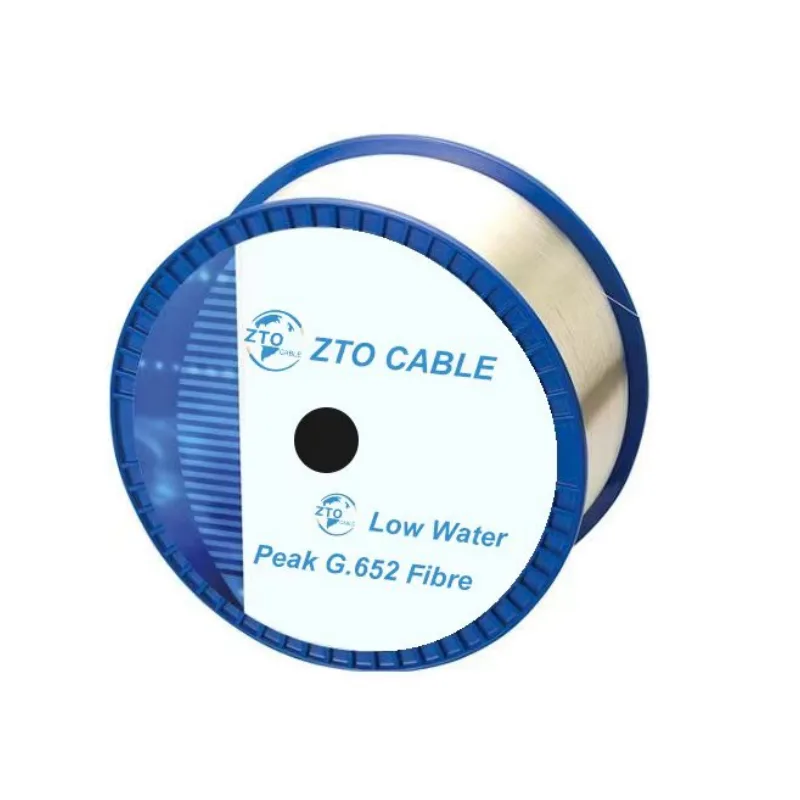
- Fiber Mode: Single-mode fiber (SMF) is the standard for long-distance and high-bandwidth applications like telecom backbones and CATV. Multimode fiber (MMF) has a larger core and is a cost-effective choice for shorter distances, such as within a building or data center.
- Core Count: The number of fibers within a cable. It’s crucial to plan not only for current needs but also for future capacity growth to avoid costly re-installations. A slightly higher initial core count can be a wise investment.
Strength Members and Jacket Materials
- Strength Members: These components protect the delicate optical fibers from tensile stress during and after installation. Common materials include aramid yarn, fiberglass reinforced plastic (FRP), and steel wires, chosen based on the required strength and whether the design must be all-dielectric.
- Jacket Material: The outer jacket is the cable’s first line of defense. Polyethylene (PE) is standard for outdoor cables due to its excellent moisture and UV resistance. For indoor applications, fire safety is paramount, leading to the use of Low Smoke Zero Halogen (LSZH) compounds.
Partnering for a Successful Deployment
Selecting the optimal fiber optic cable involves a careful analysis of the application environment, performance requirements, and long-term network goals. From OPGW for power lines to armored cables for direct burial and scalable micro-duct solutions, the right choice ensures a robust and future-proof network. With over 20 years of experience and a complete industrial chain from fiber drawing to final cabling, ZTO Cable provides high-performance solutions for clients in over 130 countries.
If you have questions about your specific project requirements or would like to discuss our comprehensive portfolio of fiber optic cables and accessories, please contact our technical team for a professional consultation.