Blueprint for Brilliance: Key Considerations for Fiber Optic Network Design

Short summary: Designing a robust fiber optic network requires more than just choosing a cable. This guide walks through the critical planning and design stages, from defining requirements and selecting the right topology to future-proofing your investment, ensuring a high-performance network that lasts for decades.

Why is Network Design So Critical?

A well-designed fiber optic network is the foundation of modern high-speed communication. Proper planning ensures optimal performance, minimizes long-term costs, and guarantees scalability for future demands. Rushing this stage can lead to budget overruns, poor signal quality, and costly maintenance down the line. A strategic design considers every variable, from the terrain of the installation to the specific data needs of the end-users.

At ZTO Cable, with our experience in over 130 countries, we understand that a successful deployment begins long before the first cable is laid. It begins with a smart blueprint.

Phase 1: Defining a Clear Objective and Scope

Before selecting any hardware, you must define the project’s goals. A successful plan starts with answering key questions:

  • Capacity and Bandwidth: What are the immediate data requirements? What is the projected growth over the next 5, 10, or 20 years?
  • Geographic Scope: What is the total distance to be covered? Is it a long-haul network, a metro loop, or a last-mile FTTH deployment?
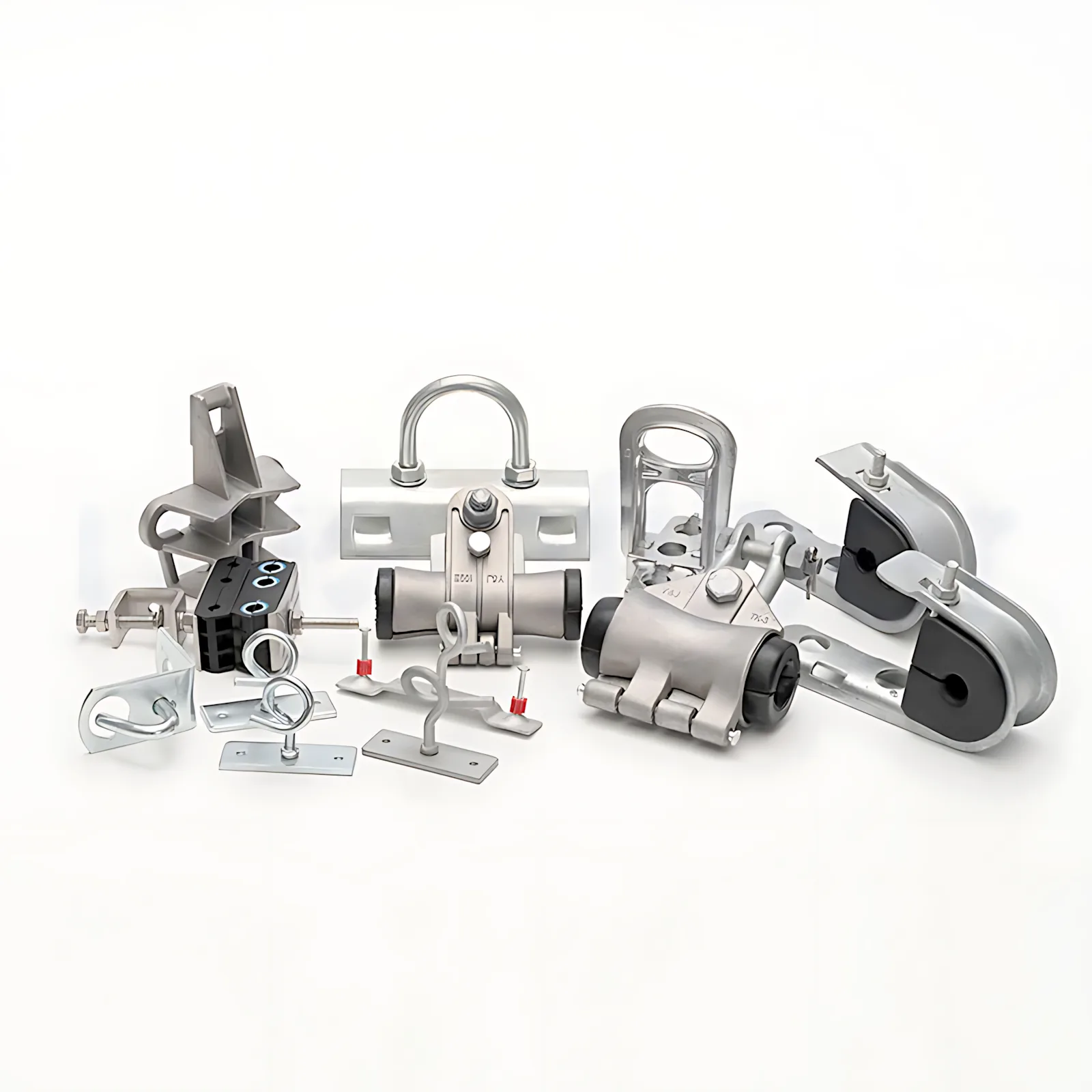
  • Environmental Factors: Will the cable be installed in ducts, buried underground, or run on aerial poles? This will heavily influence cable selection, such as choosing between our Direct Buried or ADSS aerial cables.
  • Budget Constraints: What is the total budget for materials, labor, permits, and maintenance? This will guide decisions on everything from cable type to network topology.

Phase 2: Route Planning and Topology Selection

Once the objectives are clear, the physical layout can be designed. This phase involves detailed mapping and strategic decisions.

  1. Route Planning: A thorough site survey is essential. This process identifies the most efficient and cost-effective path for the cable, taking into account terrain, existing infrastructure, private property rights-of-way, and local regulations.
  2. Network Topology: This is the logical layout of the network. Common topologies include:
    • Point-to-Point: A direct link between two locations, often used for data center interconnects.
    • Ring Topology: Creates a redundant path, ensuring the network stays online if one connection is severed. Ideal for critical metro networks.
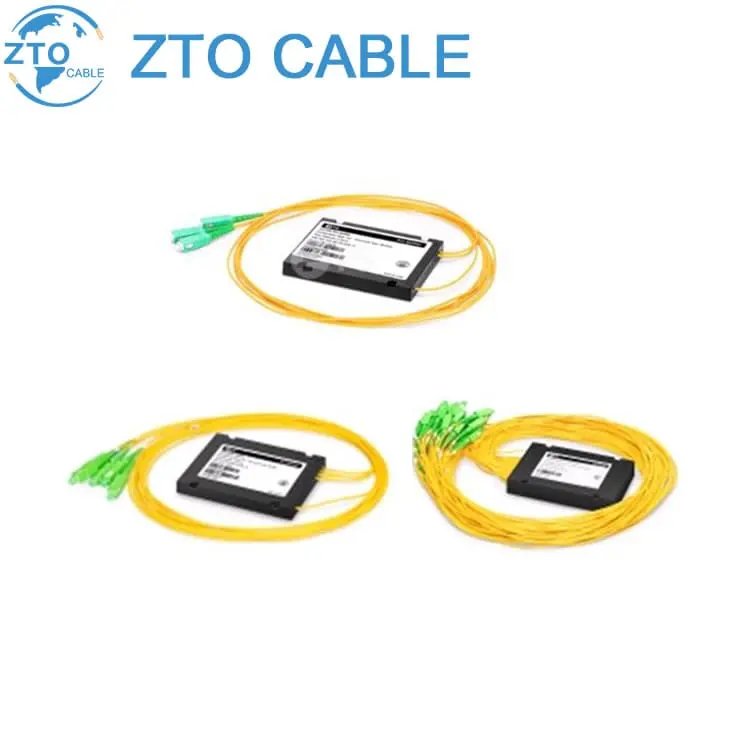
    • Star Topology (PON): Used in FTTH networks, where a central point connects to multiple end-users via splitters.

The choice of topology directly impacts reliability, cost, and scalability.

Phase 3: Selecting the Right Cables and Components

With a plan in place, you can select the right materials for the job. This is where a manufacturer’s expertise becomes invaluable.

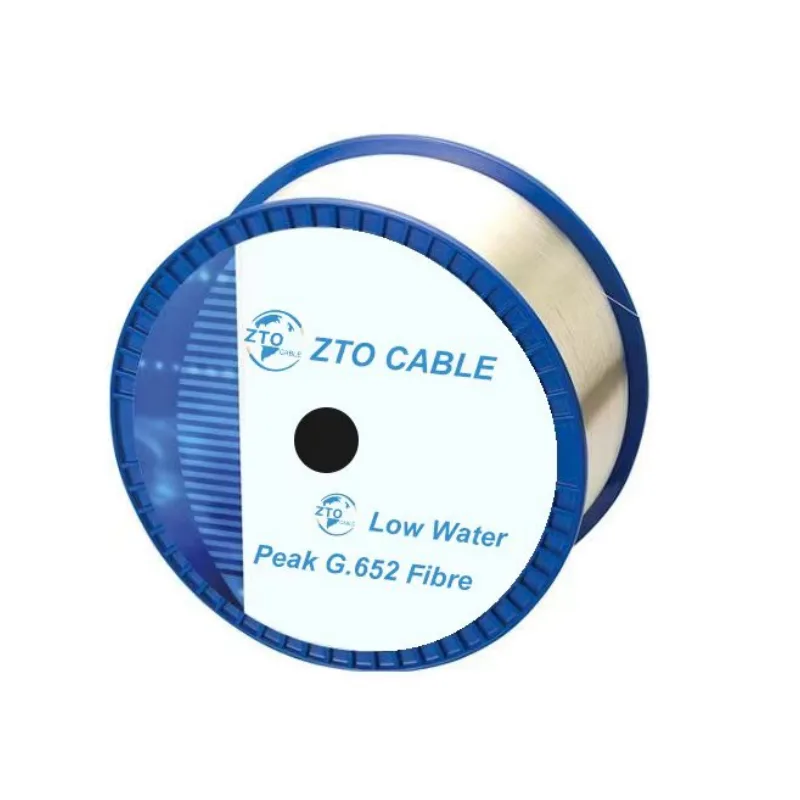
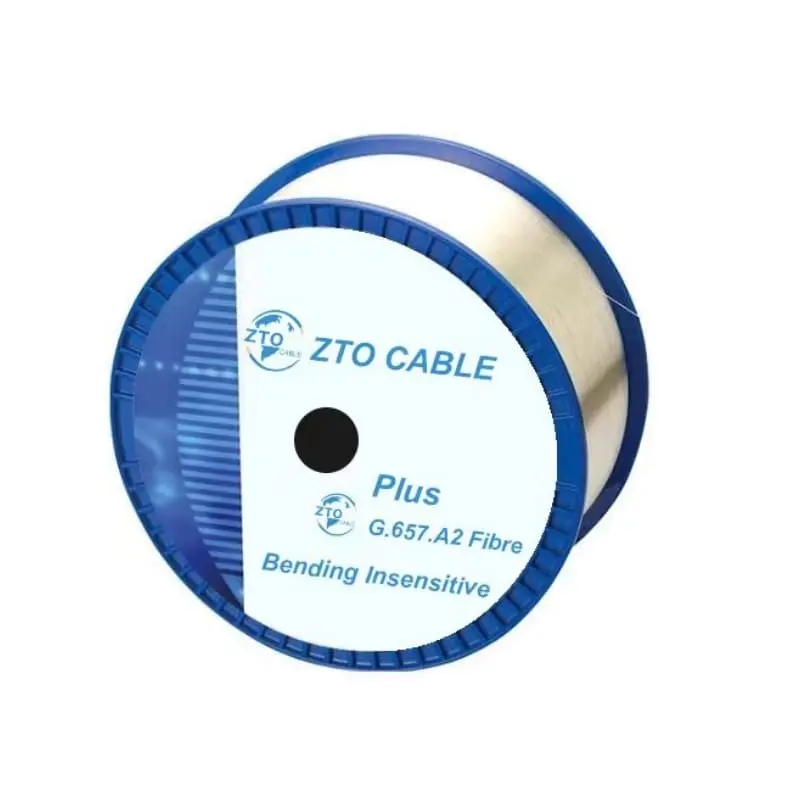
  • Fiber Type: Will you use Single-Mode (for long distances) or Multi-Mode fiber (for shorter runs like in data centers)? Our experts can help you choose the correct ITU-T G.65x standard fiber for your needs.
  • Cable Construction: The environment dictates the cable’s armor and jacket. An OPGW cable is perfect for power lines, while a non-metallic GYFTY Duct Cable is ideal for conduits with potential electrical interference.
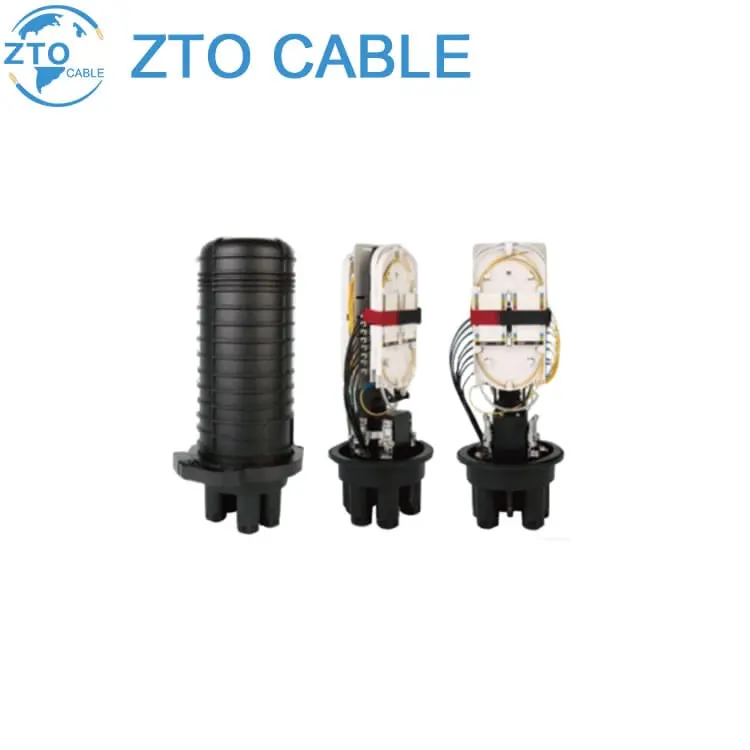
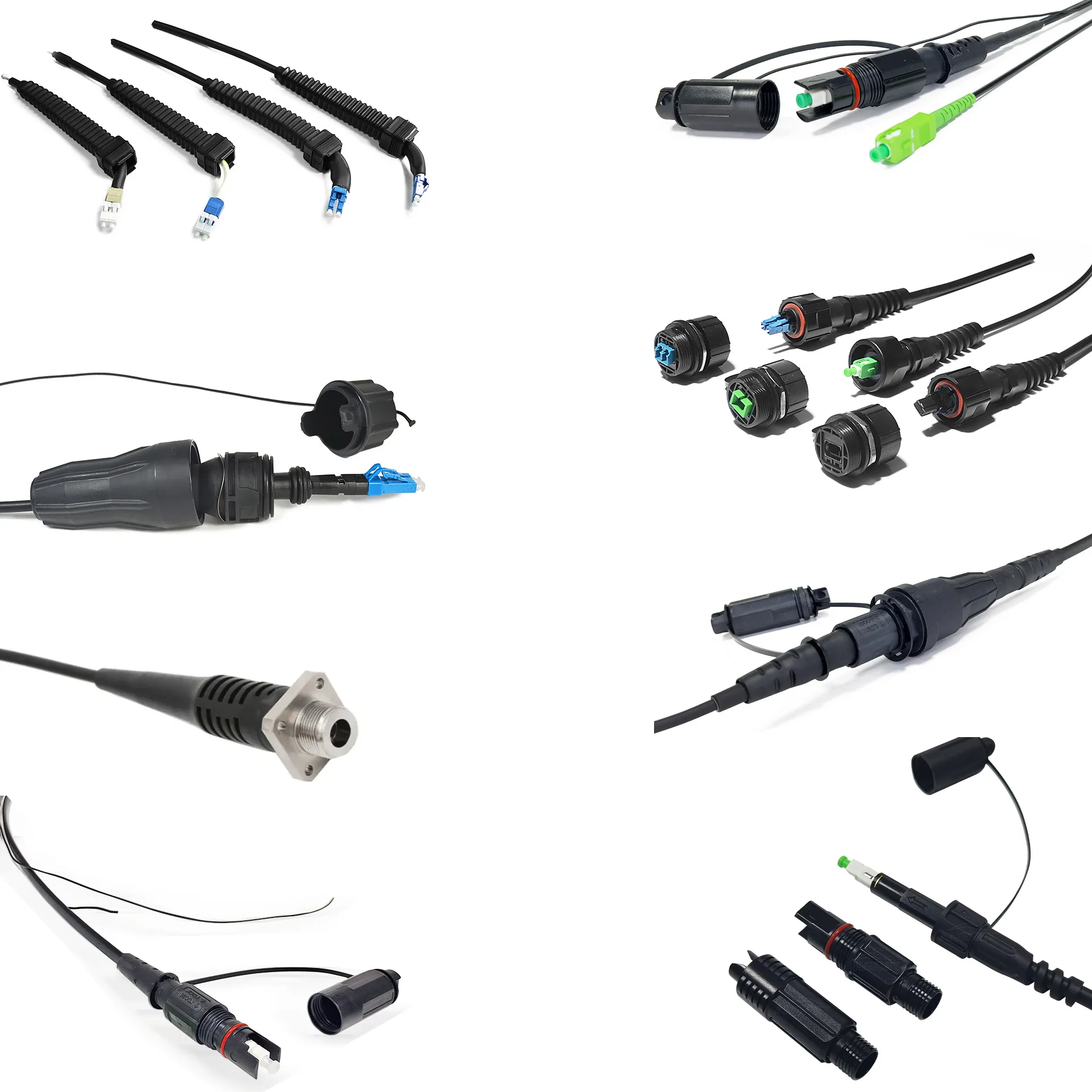
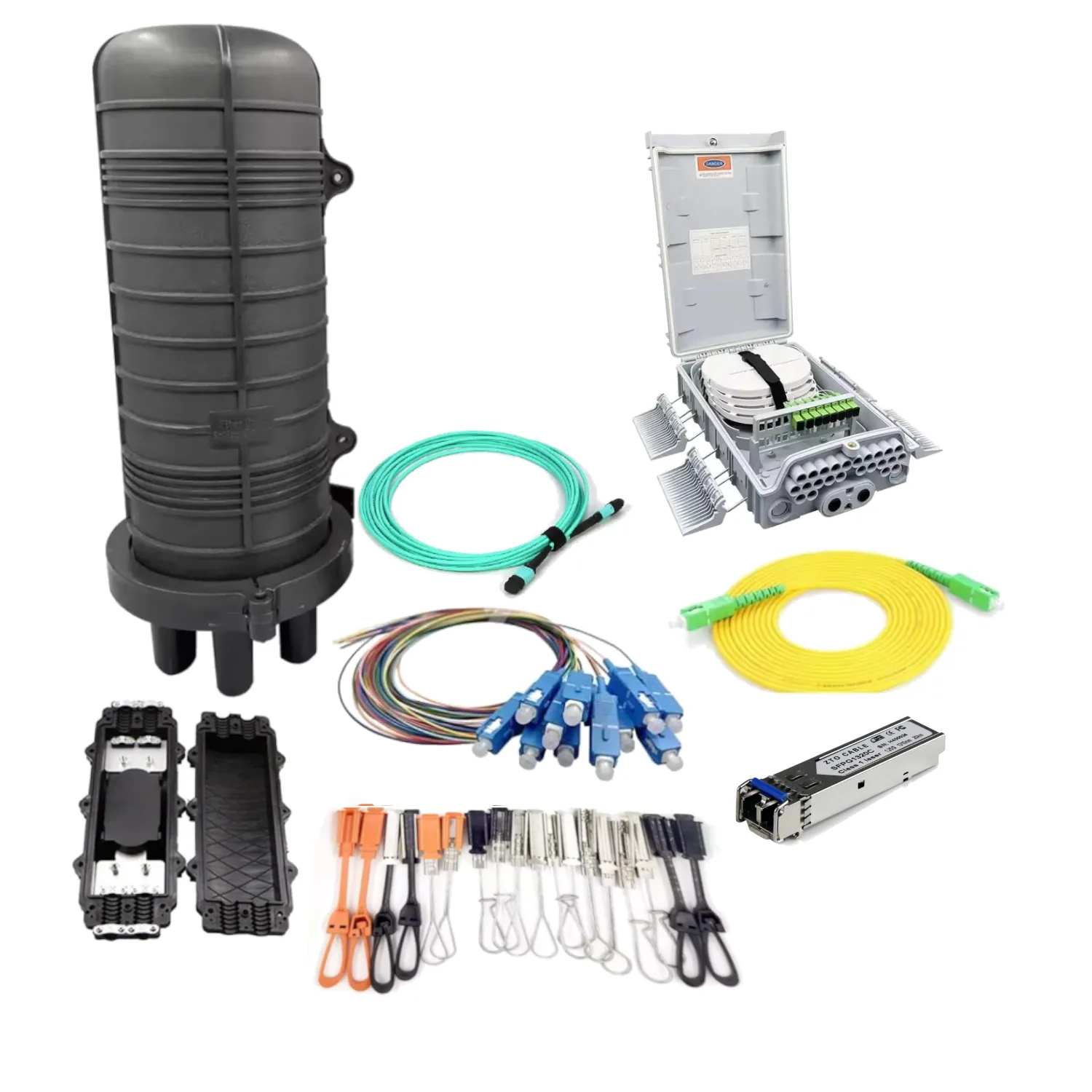
  • Hardware and Accessories: The design must also include essential components like joint closures, distribution boxes, and pigtails. As a full-chain provider, ZTO Cable ensures all our FTTH accessories work seamlessly together.
  • Future-Proofing: Consider solutions that allow for easy expansion. Our Air Blown Micro Cable systems enable you to install additional capacity in the future without major construction, saving significant time and money.

Partner with ZTO Cable for Expert Design and Supply

A successful fiber optic network is a complex puzzle where every piece must fit perfectly. From initial planning and route analysis to selecting the ideal cable construction, having an experienced partner is crucial. With over 20 years of manufacturing excellence and a technical team with vast installation experience, ZTO Cable is equipped to support your project from concept to completion.

We provide not just high-quality optical cables but the technical expertise to help you design a network that is efficient, reliable, and ready for the future.

Ready to start designing your network? Contact our technical team today to discuss your project requirements and leverage our factory-direct advantage.

Similar Posts